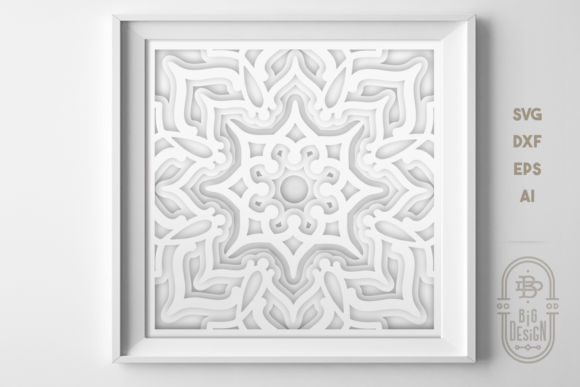
3D Shadow Box Mandala
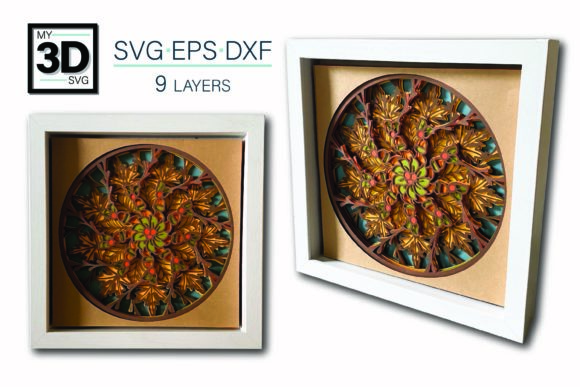
When evaluating decorative art for home interiors or personalized gifts, the 3D Shadow Box Mandala has emerged as a compelling option that bridges the gap between traditional paper cutting and modern digital fabrication. Unlike flat wall art, this medium introduces depth, layering, and interplay with light to create a dynamic visual experience. For crafters, designers, and DIY enthusiasts, understanding the nuances of these projects—specifically those utilizing multi-layered digital files—is essential before making a purchase or starting a build.
This article provides an objective analysis of the 3D Mandala Shadow Box format, focusing on the technical specifications of digital downloads, the creative process involved, and the practical considerations for potential buyers. By examining the components of a typical six-layer design, readers can determine whether this artistic medium aligns with their skill level, equipment capabilities, and aesthetic goals.
Understanding the Digital Asset: What You Are Buying
A critical first step in evaluating any online craft resource is understanding exactly what is being delivered. In the context of the 3D Shadow Box Mandala, the product is not a physical object but a collection of digital vector files. These files serve as the blueprint for creating the physical artwork. Buyers typically receive a compressed ZIP file containing multiple formats designed to ensure compatibility with various software environments.
- SVG File: The Scalable Vector Graphics format is the industry standard for most hobbyist cutting machines, such as Cricut and Silhouette. It allows for easy scaling without loss of quality, making it ideal for precise laser cutting or blade cutting.
- DXF File: Commonly used in CAD (Computer-Aided Design) software and some older cutting machine programs, this format ensures broader compatibility for users who may not rely solely on SVG.
- EPS and Ai Files: Encapsulated PostScript and Adobe Illustrator files are professional-grade formats. They are essential for users who intend to edit the design extensively, adjust line weights, or prepare the artwork for commercial printing services beyond simple cutting.
It is imperative for buyers to note that this is a digital download. No physical mandala will be shipped. Success depends entirely on having access to appropriate hardware, such as a laser cutter, CNC router, or electronic cutting plotter, and the necessary software to open and manipulate these vector files.
The Structure of a Six-Layer Design
The complexity of a 3D Mandala Shadow Box often lies in its layered construction. A standard six-layer design offers a significant amount of depth while remaining manageable for most intermediate crafters. Each layer represents a distinct plane of the image, contributing to the overall three-dimensional effect when stacked.
In a typical mandala pattern, the layers are arranged from back to front:
- Background Layer: This is usually the largest piece, featuring the outermost geometric patterns. It sets the foundational silhouette of the design.
- Mid-Back Layers: These layers begin to introduce more intricate details and smaller cutouts, creating a sense of distance and perspective.
- Center Layers: As the eye moves toward the center of the mandala, the layers become denser. These pieces often contain the most delicate elements, requiring careful handling during assembly.
- Foreground Layer: The final piece sits closest to the viewer or the light source. It frames the inner details and completes the illusion of depth.
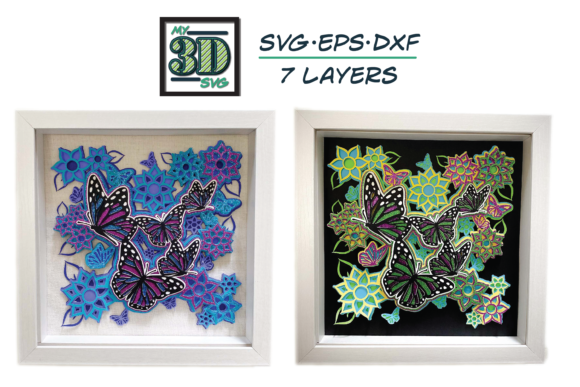
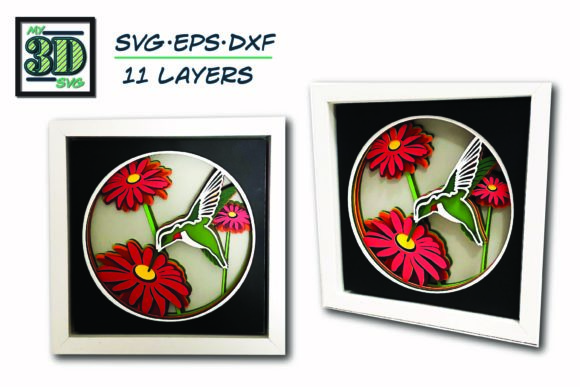
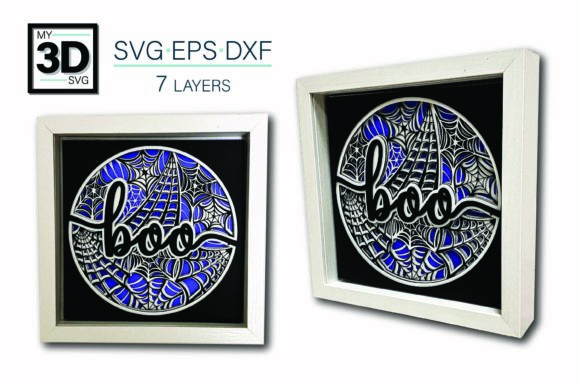
The spacing between these layers is crucial. When assembled within a shadow box frame, the gaps allow light to pass through, casting shadows that enhance the texture. This interplay of light and shadow is what transforms a static image into a living piece of art that changes appearance depending on the viewing angle and lighting conditions.
Benefits and Tradeoffs of 3D Mandala Projects
Before committing to a project, it is helpful to weigh the advantages against the potential challenges. The 3D Shadow Box Mandala offers several distinct benefits for those interested in mixed-media art.
Visual Impact: The primary appeal is the dramatic visual effect. The depth creates a focal point that flat prints cannot achieve. When illuminated from behind or the side, the mandala appears to float, adding a sophisticated touch to any room.
Customizability: Because the files are digital, users have full control over the materials. One might choose white cardstock for a clean, minimalist look, or colored acrylic for a vibrant, stained-glass effect. The ability to scale the design also means it can fit various frame sizes.
However, there are tradeoffs to consider. Assembly Precision: Stacking six layers requires patience and precision. Misalignment can ruin the symmetry of the mandala. Users must use spacers or glue dots to maintain consistent gaps between layers. This process can be time-consuming and frustrating for beginners.
Material Costs: While the digital file is inexpensive, the cost of high-quality materials can add up. Thick cardstock, wood veneer, or acrylic sheets are more expensive than standard printer paper. Additionally, if using a laser cutter, one must account for the machine’s operational costs or service fees.
Who Is This Project For?
Determining whether the 3D Shadow Box Mandala is the right choice depends largely on the user’s resources and experience level. This project is a strong fit for individuals who own or have access to cutting machines like Cricut Maker, Silhouette Cameo, or laser cutters. It is also suitable for those who enjoy detailed, meditative crafting processes where precision is rewarded.
Furthermore, this project appeals to people looking for unique, handmade gifts. A finished 3D mandala serves as a thoughtful present for housewarmings, weddings, or holidays, offering a personal touch that mass-produced decor lacks.
Conversely, alternatives may be worth considering for those without the necessary tools. If you lack a cutting machine, outsourcing the cutting to a local print shop or online service is an option, though it reduces the DIY aspect. For absolute beginners intimidated by multi-layer assembly, a single-layer vinyl decal or a pre-assembled shadow box kit might be a more accessible starting point.
Practical Decision-Making Insights
To make an informed decision, prospective buyers should evaluate their current setup. First, verify software compatibility. Ensure that your computer has Adobe Illustrator, Inkscape, or the specific software required by your cutting machine to open the provided SVG, DXF, EPS, and Ai files. Second, consider the material you plan to use. Lighter materials like cardstock are easier to cut and stack, while heavier materials like wood require more powerful machinery.
Finally, assess your timeline. Creating a six-layer 3D mandala is not a quick weekend project. It involves cutting, sorting, organizing layers, and assembling with care. If you are looking for instant gratification, this may not be the ideal choice. However, if you value the satisfaction of mastering a complex technique and producing a stunning, custom piece of art, the 3D Shadow Box Mandala offers a rewarding creative journey.
In conclusion, the 3D Mandala Shadow Box is a versatile and visually striking art form that leverages digital technology to enhance traditional craftsmanship. By understanding the file types, assembly requirements, and material options, users can confidently decide if this project meets their needs. Whether used for personal decoration or as a meaningful gift, the result is a testament to the beauty of layered design and the interplay of light and shadow.