Evaluating Art Deco Grille, Wall Art 3D for Digital Crafting and Interior Design Projects
The intersection of vintage aesthetics and modern digital fabrication has created a robust market for downloadable design assets. Among the most sought-after categories is Art Deco Grille, Wall Art 3D. This specific style combines the geometric precision and luxurious motifs of the 1920s and 30s with the dimensional depth required for contemporary home decor trends. For crafters, interior designers, and DIY enthusiasts, understanding the nuances of these digital files is crucial before making a purchase or starting a project.
This analysis explores what makes Art Deco Grille designs distinct, how they compare to other wall art formats, and the practical considerations involved in using digital downloads for physical creation. The focus remains on the technical specifications, software compatibility, and decision-making factors that define the value of these resources.
Understanding the Art Deco Grille Aesthetic
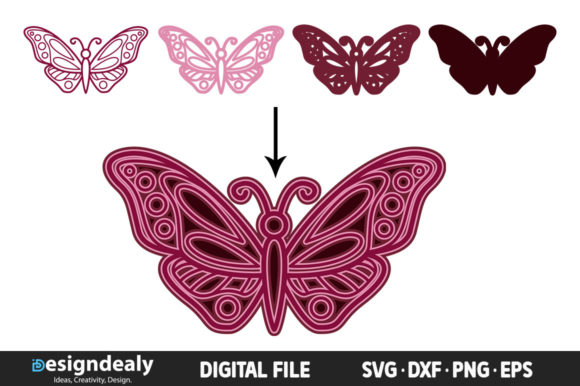
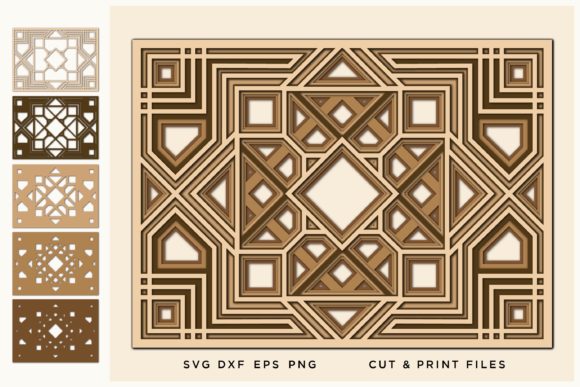
Art Deco is characterized by bold geometric shapes, rich colors, and lavish ornamentation. When translated into "Grille" or "Wall Art 3D" formats, these elements are often simplified into clean lines and repeating patterns that can be cut from various materials such as wood, acrylic, foam board, or metal. The term "3D" in this context usually refers to the visual depth created by layering multiple cut pieces or by the relief effect achieved when the flat vector is mounted against a wall.
Unlike traditional 2D prints which rely on ink and paper texture for impact, Art Deco Grille designs rely on silhouette and shadow. This distinction is vital for users to understand because it shifts the focus from color fidelity to edge quality and structural integrity. The design’s success depends heavily on the precision of the cuts and the stability of the mounting method.
Digital File Formats: Why Vector vs. Raster Matters
One of the most significant advantages of purchasing a dedicated digital asset pack, such as those offering SVG, DXF, EPS, and PNG formats, is the flexibility provided by vector technology. To make an informed decision, it is helpful to break down what each format offers in the context of creating Art Deco Wall Art.
Vector Files (SVG, EPS, DXF)
Vector files are mathematical representations of lines and curves rather than pixels. This means they can be scaled infinitely without losing quality. For Art Deco Grille designs, which often feature intricate filigree or sharp geometric angles, vector files are essential.
- SVG (Scalable Vector Graphics): Widely supported by cutting machines like Cricut and Silhouette. It allows for easy editing of individual elements within the design.
- EPS (Encapsulated PostScript): A standard format for professional graphic design software like Adobe Illustrator and CorelDraw. It ensures high-fidelity output for large-scale printing or complex laser cutting.
- DXF (Drawing Exchange Format): Commonly used in CAD software and compatible with Brother ScanNCut machines. It is ideal for precise architectural-style cuts.
Raster Files (PNG)
PNG files are raster images composed of pixels. While they cannot be resized without becoming pixelated, high-resolution versions (such as 300ppi) are excellent for printing on standard paper or cardstock. The inclusion of a transparent background in PNG files allows designers to place the Art Deco motif over any color or texture without a white box surrounding it.
Software Compatibility and Workflow Integration
A major consideration when evaluating digital downloads is whether the files will work with your existing tools. The versatility of Art Deco Grille assets lies in their broad compatibility. However, users must ensure their software version supports the specific file types included.
For hobbyists using entry-level machines, Silhouette Studio (Basic or Design Edition) and Cricut Design Space are the primary ecosystems. These platforms handle SVG files natively, making them the most user-friendly option for beginners. If you plan to use more advanced features, such as grouping layers or editing node points directly, having access to Adobe Illustrator or CorelDraw provides greater control over the final design.
It is important to note that while many files are guaranteed to work across these platforms, some complex multi-layered designs may require manual simplification in basic software editions. Users should assess their technical proficiency before assuming a seamless workflow. Basic knowledge of vector manipulation—such as ungrouping elements, welding overlapping shapes, and setting cut lines—is assumed and necessary for optimal results.
Comparison: Digital Downloads vs. Physical Products
When considering Art Deco Wall Art, consumers often choose between buying a pre-made physical piece and purchasing a digital file to create it themselves. Each option has distinct tradeoffs.
Physical Pre-Made Art
Pros: Immediate gratification; no setup time; professionally finished edges.
Cons: Limited size options; fixed color palette; higher shipping costs; potential for damage during transit; lack of customization.
Digital Download Files
Pros: Unlimited resizing capabilities; ability to change materials (e.g., switch from wood to vinyl); cost-effective for multiple copies; instant access via INSTANT DIGITAL DOWNLOAD; ownership of original images without watermarks.
Cons: Requires upfront investment in equipment (cutting machine, printer, or laser cutter); learning curve associated with software; responsibility for finishing touches (painting, sanding, mounting).
For those who value customization and want to integrate the Art Deco theme seamlessly into a specific room’s color scheme or material preference, digital files offer superior flexibility. The ability to receive the set in a zipped folder containing all four formats ensures that you are not locked into a single method of production.
Evaluation of Specific Use Cases
To determine if Art Deco Grille, Wall Art 3D is the right choice, consider the following scenarios:
Home Decor and Renovation
If you are renovating a space and want a focal point that reflects mid-century glamour, a large-scale Art Deco grille made from MDF or plywood can serve as a stunning headboard or accent wall. The 3D aspect adds depth that flat paint or wallpaper cannot achieve. The availability of high-quality PNG files also allows for stenciling techniques if you prefer painting the design directly onto a wall.
Small Business and Resale
Crafters selling handmade goods often look for unique designs to differentiate their products. Using original images without watermarks ensures that the final product looks professional and branded. The vector nature of the files allows for scaling the design to fit different price points, from small keychains to large wall installations.
Educational and Hobbyist Projects
For students or hobbyists learning about design principles, these files provide a practical way to explore symmetry, repetition, and negative space. Working with SVG files in software like Silhouette Studio helps develop skills in layer management and cut path optimization.
Limitations and Decision Factors
While digital files offer immense utility, they are not suitable for every situation. If you lack the equipment to cut or print the design, the file alone holds little practical value unless you outsource the production, which can negate the cost savings. Additionally, the "3D" effect is largely dependent on the creator’s execution. A poorly mounted Art Deco grille may look flat or unstable, regardless of the quality of the digital file.
Furthermore, licensing terms vary. Always verify if the license allows for commercial use if you intend to sell items made from these designs. Most premium digital packs include clear usage rights, but it is a critical step in the evaluation process.
Conclusion
Selecting the right approach for incorporating Art Deco Grille, Wall Art 3D into your projects requires balancing aesthetic goals with technical capabilities. The availability of comprehensive file sets—including SVG, EPS, DXF, and high-resolution PNGs—provides the versatility needed for both professional and amateur creators. By understanding the strengths of vector graphics, the requirements of compatible software, and the differences between digital and physical acquisition, you can make a confident decision that aligns with your skills and creative vision.
Whether you are looking to add a touch of vintage elegance to your home or expand your crafting inventory, these digital assets offer a flexible, high-quality foundation. The key lies in leveraging the unlimited resizing and transparency features to create a final product that meets your specific design standards.