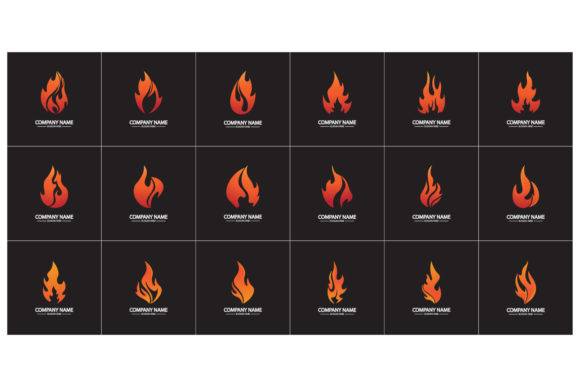
Fire Flame Logo Icon Design Template
In the competitive landscape of modern branding, visual identity is not merely decorative; it is a strategic asset. A well-crafted logo communicates values, promises quality, and establishes recognition before a single word is read. Among the most potent symbols in graphic design history is the flame. Whether representing the spark of innovation, the heat of passion, or the raw power of energy, fire has long served as a universal metaphor for transformation and intensity. The Fire Flame Logo Icon Design Template offers designers and business owners a structured starting point to harness this powerful imagery, providing a versatile foundation that can be adapted across industries ranging from automotive performance to creative agencies.
However, utilizing a template is not simply about dragging and dropping elements onto a canvas. It requires a deliberate approach to ensure that the final output aligns with specific business goals and resonates with the target audience. This guide explores how to leverage a Fire Flame Logo Icon Design Template effectively, balancing aesthetic appeal with strategic intent to create a lasting brand identity.
The Strategic Value of Flame Imagery in Branding
Before diving into the technical aspects of design, it is crucial to understand why the flame symbol remains so prevalent in corporate and consumer branding. The concept of fire is deeply embedded in human psychology, evoking responses related to survival, warmth, light, and danger. When applied to a logo, these associations can be channeled to support specific positioning strategies.
- Energy and Power: For industries such as automotive, sports, or technology, a dynamic flame silhouette suggests speed, acceleration, and high performance. The abstract shape of a flickering tongue of fire implies movement and kinetic energy, which is ideal for brands promising efficiency or rapid results.
- Passion and Creativity: In the creative sector, including fashion, art, and media, fire represents inspiration and the "spark" of genius. A stylized, perhaps more organic or fluid interpretation of a flame can communicate artistic flair and emotional depth.
- Heat and Intensity: Food and beverage companies, particularly those specializing in spicy cuisine or hot beverages, often use red and yellow gradients to stimulate appetite and convey flavor intensity. Similarly, heating solutions or emergency services might use the iconography of fire to denote warmth, safety, or urgency.
- Transformation and Innovation: Fire is an agent of change, burning away the old to make way for the new. Tech startups and consulting firms may use a minimalist, geometric flame to symbolize disruptive innovation and forward-thinking processes.
By selecting a Fire Flame Logo Icon Design Template, you are tapping into this pre-existing semantic weight. The goal is to refine that symbolism so it speaks directly to your unique value proposition rather than relying on generic interpretations.
Design Principles for Effective Flame Logos
A successful logo must function across various mediums, from tiny mobile app icons to large-scale billboard prints. When working with a vector-based flame template, several design principles come into play to ensure versatility and impact.
Abstraction and Simplicity
The most enduring logos rely on simplicity. A detailed illustration of a bonfire with individual logs and sparks may look impressive as a standalone piece of art, but it will fail as a brand mark when scaled down. The key is abstraction. By reducing the flame to its essential shapes—curves, peaks, and negative space—you create a symbol that is instantly recognizable. Look for templates that offer clean lines and balanced proportions. An abstract flame allows for greater scalability and ensures that the core shape remains intact even at reduced sizes.
Color Psychology and Gradient Use
Fire is inherently associated with the colors red, orange, and yellow. These warm hues are attention-grabbing and evoke feelings of excitement and urgency. However, overusing bright primary colors can appear cheap or aggressive. A sophisticated approach involves using gradients to simulate the natural transition of heat—from a deep red base to a bright yellow tip, or even incorporating white highlights to suggest intense light. Alternatively, monochromatic treatments or inverted color schemes (such as a dark blue flame against a black background) can provide a modern, tech-forward aesthetic that feels less literal and more conceptual.
Typography Integration
The relationship between the icon and the logotype is critical. A complex flame shape may overpower a delicate serif font, creating visual imbalance. Conversely, a bold, blocky flame might clash with a minimalist sans-serif typeface. When customizing a template, consider how the curves of the flame interact with the letterforms. Often, placing the flame element to the left or above the text creates a stable hierarchy. In some cases, integrating the flame into a letter itself—for example, forming the dot of an 'i' or the crossbar of an 'h'—can create a cohesive and memorable identity.
Practical Applications Across Industries
The adaptability of the Fire Flame Logo Icon Design Template makes it suitable for a wide array of sectors. Understanding these use cases can help you decide if this direction aligns with your brand’s narrative.
- Automotive and Racing: Speed is paramount here. A sleek, aerodynamic flame shape can serve as a perfect emblem for car dealerships, racing teams, or performance tuning shops. The association with combustion engines and fuel makes the flame a literal and figurative fit.
- Creative Agencies and Studios: For graphic designers, photographers, or video producers, the flame symbolizes the creative spark. A stylized, perhaps 3D-rendered or glass-like flame can suggest clarity, vision, and premium quality.
- Fashion and Lifestyle: High-end fashion brands often use abstract emblems to convey exclusivity. A subtle, embroidered-style flame or a sharp, geometric sign can add an edge to apparel lines, suggesting rebellion or boldness without being overtly aggressive.
- Food and Beverage: Beyond just spicy food, the flame can represent the "grill" or "roast" aspect of cooking. A rustic, hand-drawn style flame might suit a craft brewery or a barbecue restaurant, while a polished, metallic version could work for a premium coffee brand emphasizing roasted beans.
- Technology and Energy: Renewable energy companies or software platforms focused on data processing ("burning through tasks") can use digital, pixelated, or circuit-board-inspired flame designs to merge the ancient symbol with modern technology.
Risks and Considerations
While the flame is a powerful symbol, it is not without risks. Misuse can lead to unintended associations or legal complications.
Aggression and Danger: Fire can also symbolize destruction, danger, or warning. If your brand aims to convey trust, stability, or calm (such as in healthcare, finance, or education), a fiery logo might send the wrong message. Ensure that the tone of the design—soft curves vs. jagged spikes—aligns with the emotional response you wish to elicit.
Genericism: Because the flame is a popular motif, there is a risk of creating a logo that looks indistinguishable from competitors. To avoid this, customization is non-negotiable. Do not use the template as-is. Modify the angles, adjust the thickness of the strokes, alter the gradient stops, or combine the flame with other unique elements to create a distinct visual signature.
Legal Clearance: Before finalizing any design, conduct a thorough trademark search. Many common flame shapes have already been registered by established companies. Using a template does not exempt you from copyright infringement if the underlying shape is proprietary. Always verify that your modified design is original enough to stand alone.
Maximizing Long-Term Value
Investing time in refining a Fire Flame Logo Icon Design Template pays dividends in brand consistency and recognition. A well-designed logo serves as the anchor for all marketing materials, from business cards to social media avatars. By approaching the design process with strategic intent—considering your audience, industry norms, and long-term growth—you transform a simple graphic element into a powerful tool for communication.
Remember that branding is a marathon, not a sprint. The initial choice of a flame-inspired identity should be supported by consistent application across all touchpoints. Whether you are a small business owner looking to establish credibility or a marketer aiming to refresh an existing image, taking the time to thoughtfully adapt a flame template can result in a professional, impactful, and enduring brand identity.
Ultimately, the best logos are those that tell a story. The flame tells a story of energy, change, and vitality. Your job is to edit that story so it resonates authentically with the people you hope to reach. By combining the symbolic power of fire with disciplined design practices, you can create a visual identity that not only looks good but works hard for your business.