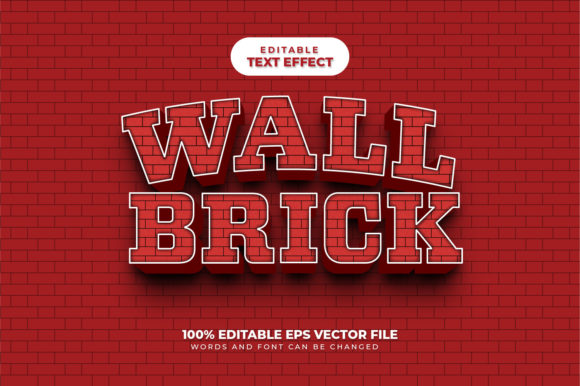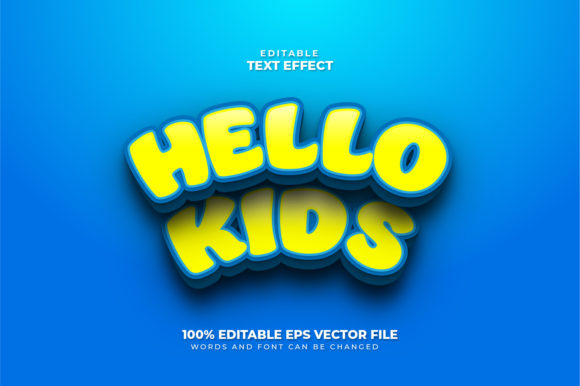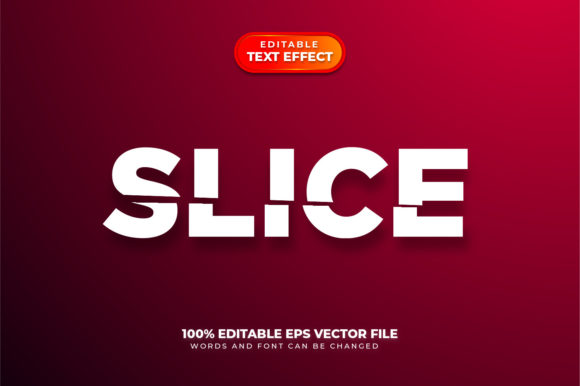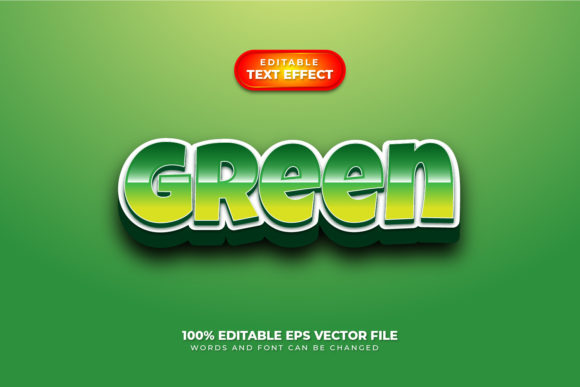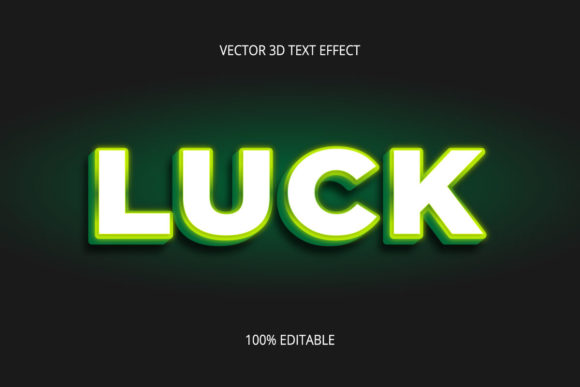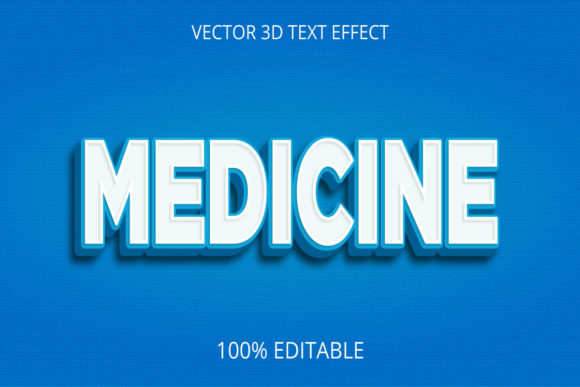
3D Creative Text Effect
In an era where visual communication happens in milliseconds, the way text is presented can make or break engagement. Static, flat typography often gets lost in the noise of social media feeds, digital advertisements, and presentation slides. This is where 3D Creative Text Effect solutions step in, offering a bridge between simple messaging and high-impact design. For professionals, creators, and small business owners alike, the ability to transform ordinary words into dimensional, eye-catching graphics is no longer reserved for expensive graphic design agencies. It is now accessible through editable vector files that prioritize flexibility and ease of use.
The core value of these assets lies not just in their aesthetic appeal but in their structural adaptability. When you acquire a package containing 100 editable instances, you are not buying a single static image; you are purchasing a toolkit for visual storytelling. The inclusion of both EPS and JPG formats ensures that whether you need scalable precision for large-format printing or quick previews for web use, the file serves your specific workflow without compromise.
Why Editability Changes Everything
One of the most significant hurdles in using pre-made design assets is the rigidity of the final output. Many users find themselves stuck with a design they love but cannot customize because the text layers are flattened or the fonts are embedded in a way that prevents modification. A 3D Creative Text Effect package that explicitly advertises easy editing capabilities solves this problem at its root. The promise that "words, fonts, and sizes can be changed easily" transforms the asset from a finished product into a dynamic template.
Consider the scenario of a marketing manager launching a campaign for three different regional branches. Each branch requires the same promotional message but with localized phone numbers and slightly different call-to-action phrases. If the text effect were locked, the designer would have to recreate the entire 3D structure for each variation, wasting hours on repetitive tasks. With editable vector files, changing the text is as simple as typing into a layer. This efficiency allows teams to scale their content production without sacrificing quality or consistency.
Furthermore, the ability to alter font sizes and types means that the emotional tone of the message can be adjusted instantly. A bold, heavy font might convey urgency and strength, suitable for a sale announcement, while a thinner, elegant typeface might suggest sophistication, fitting for a luxury brand launch. This level of control empowers non-designers to experiment with visual hierarchy, ensuring that the most important information stands out clearly.
The Power of Vector Precision
The technical specification of including 1 EPS (Encapsulated PostScript) file alongside the JPG is critical for long-term usability. Unlike raster images such as JPEGs, which are made of pixels and become blurry when scaled up, EPS files are vector-based. This means they are constructed using mathematical equations that define lines and curves, allowing them to be resized infinitely without any loss of quality.
For entrepreneurs and event organizers, this distinction is vital. Imagine designing a banner for a trade show booth. You might start with a digital mockup on your laptop, but the final print needs to be several feet tall. If you rely solely on pixel-based designs, you risk pixelation and jagged edges. By utilizing the included EPS file within compatible software like Adobe Illustrator, you can ensure that every curve of the 3D text remains crisp and sharp, regardless of the output size. This reliability reduces the anxiety associated with print production and ensures that your brand looks professional across all mediums.
The dual-file format also caters to different stages of the design process. The JPG file provides an immediate visual reference, perfect for quick sharing via email or embedding in basic website builders where vector support is limited. Meanwhile, the EPS file sits ready for deep customization in professional design environments. This hybrid approach maximizes the utility of the purchase, making it suitable for both quick-turnaround projects and detailed, long-term brand materials.
Broad Applicability Across Industries
The versatility of 3D Creative Text Effect assets makes them relevant to a wide spectrum of users. Educators can use these effects to create engaging slide decks that capture student attention during complex lectures. Freelancers can enhance their portfolios by adding distinctive headers to case studies, making their work memorable to potential clients. Bloggers and content creators benefit significantly by turning key quotes or headlines into shareable graphics for platforms like Pinterest or Instagram, driving traffic back to their main content.
Small business owners often operate with limited budgets and time. Hiring a custom illustrator for every new product launch or seasonal promotion is rarely feasible. These editable packages offer a cost-effective alternative, providing high-end visuals at a fraction of the cost. They allow a local bakery to update its daily special board graphics digitally, or a consultant to refresh their LinkedIn banner without needing to commission new art every month.
Even hobbyists and DIY enthusiasts find value in these tools. Whether creating custom t-shirt designs, scrapbooking layouts, or personal greeting cards, the ability to manipulate 3D text adds a layer of professionalism to personal projects. The learning curve for modifying text in vector software is relatively low, especially when guided by tutorials, making these assets accessible even to those with minimal design experience.
Strategic Considerations for Implementation
While the benefits are substantial, it is important to approach these assets with a strategic mindset. Not every situation calls for 3D text. In minimalist designs or contexts requiring rapid readability, such as safety warnings or dense data tables, flat typography may be more appropriate. The goal should be enhancement, not distraction. Use 3D effects to highlight headlines, logos, or key concepts, rather than body text, to maintain legibility.
Additionally, users should always verify the compatibility of the EPS file with their specific version of design software. While standard EPS files are widely supported, newer features in recent software updates might not render perfectly in older versions. It is advisable to test the file in a sandbox environment before applying it to critical client deliverables. Also, remember that while the text is editable, the underlying 3D geometry might have fixed lighting or shadow parameters depending on how the original artist created the vector paths. Understanding these limitations helps set realistic expectations and guides the user toward effective customization strategies.