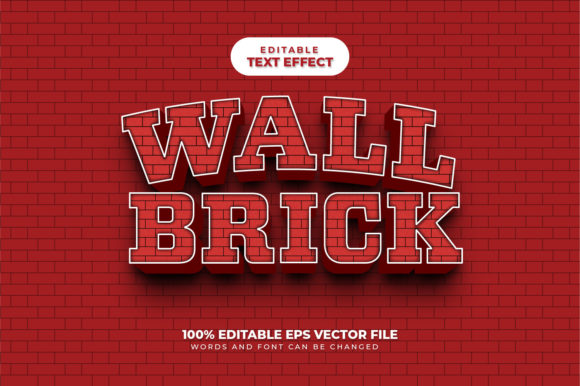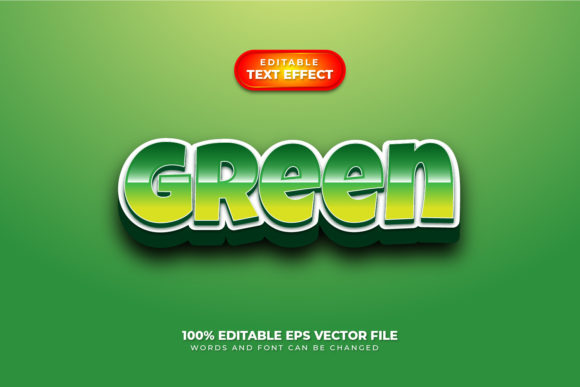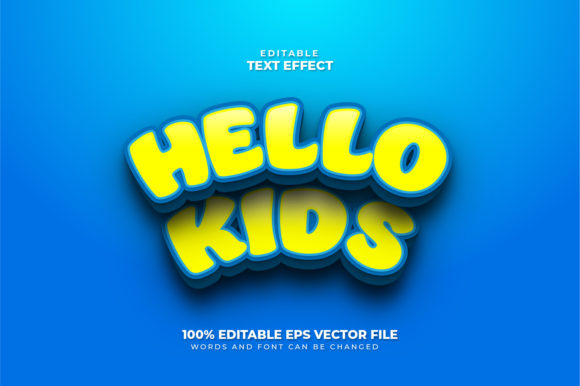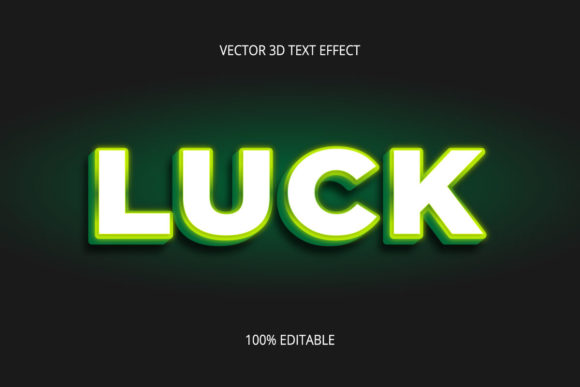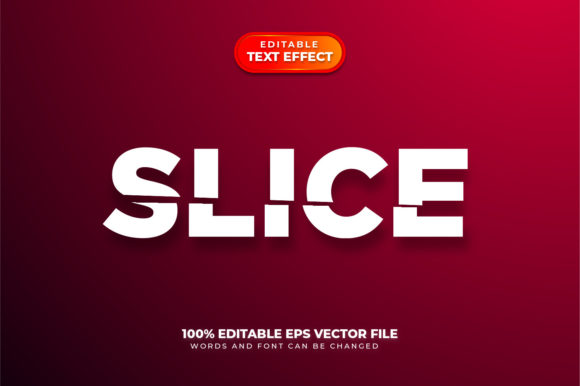
Slice 3D Text Effect, Editable Text
In the landscape of digital design, few elements are as critical as typography. It is the bridge between visual aesthetics and clear communication. For professionals, creators, and entrepreneurs who need to produce high-quality assets quickly, the ability to manipulate text without compromising resolution or workflow efficiency is paramount. This is where vector-based design solutions come into play, specifically advanced typographic treatments like the Slice 3D Text Effect, Editable Text. Unlike static raster images or locked font files, this approach offers a dynamic intersection of depth, dimension, and flexibility.
The core value proposition of this asset lies in its nature as a fully editable vector design. When you encounter a resource described as "100 Vector 100 Editable," it signifies that every component of the design—from the individual characters to the shadow layers and extrusion depths—is constructed using mathematical paths rather than pixels. This distinction is not merely technical; it fundamentally alters how you integrate the design into your broader creative process. You are not just importing an image; you are importing a modular system that can be adapted to specific project requirements without degradation.
Understanding the Architecture of Editable Vector Text
To effectively utilize the Slice 3D Text Effect, one must first understand what makes it distinct from standard text tools in graphic software. Standard text boxes rely on installed fonts. If a client sends a file with a custom font that is not present on your machine, the text breaks or defaults to a placeholder. With a vector-based text effect design, the appearance of the text is often baked into the vector shapes themselves, yet the underlying content remains editable. This dual nature allows for rapid iteration.
The phrase "Just click and type the text you want" refers to the functionality of the layer structure within Adobe Illustrator or similar vector platforms. The design is set up so that the base geometry of the letters is linked to a text frame. When you select the tool and modify the string, the complex 3D slicing, shading, and depth effects automatically recalibrate to fit the new character count and width. This eliminates the manual labor of re-adjusting shadows, highlights, and perspective angles for every variation of copy. For marketers producing multiple ad variations or educators creating lesson materials, this automation is a significant time-saver.
Integration into Professional Workflows
The utility of this tool extends across various stages of a project lifecycle. In the planning phase, designers can use these editable templates to mock up concepts rapidly. Instead of waiting for final copy to arrive from a copywriter, a designer can input placeholder text into the Slice 3D Text Effect, Editable Text template to visualize spacing, hierarchy, and overall impact. Once the final text is approved, the swap is instantaneous, maintaining all aesthetic integrity.
During the execution phase, consistency is key. Small business owners and freelancers often struggle to maintain brand consistency across different media—business cards, social media banners, and presentation slides. By utilizing a single, well-structured vector source file, you ensure that the typography looks identical regardless of the output medium. Because the design is vector-based, it scales infinitely. You can enlarge the text effect for a large-format billboard or reduce it for a favicon without any loss of sharpness or clarity. This scalability reduces the need to create separate assets for different resolutions, streamlining the production pipeline.
In the post-production or distribution phase, the editability feature proves invaluable. A common scenario involves a typo discovered after initial design approval, or a change in pricing or dates on a promotional flyer. With a raster image (like a PNG or JPG), fixing such errors requires recreating the entire graphic. With this editable vector design, you simply click the text layer, correct the error, and export again. This reduces revision cycles and minimizes the risk of version control errors, where outdated graphics might accidentally be published.
Compatibility and Tool Interaction
While the primary ecosystem for this type of asset is Adobe Illustrator, the principles of vector editing apply broadly. However, it is crucial to note that this is not a font file (.ttf or .otf). It is a graphic design element that simulates a font style. This distinction matters for compatibility. You cannot install this as a system font and type directly into Microsoft Word or web browsers expecting it to render natively. Instead, it is intended for use within vector design software.
This limitation is actually a strength in terms of quality control. Because the effect is achieved through vector operations (such as offsetting, expanding, and merging paths) rather than font rendering engines, the result is consistent across all devices running the design software. There is no reliance on the user’s operating system having specific font libraries installed. This makes it an ideal solution for collaborative teams where members may have different software configurations. As long as they have access to the necessary vector application, the design will appear exactly as intended.
Furthermore, the design allows for extensive customization. The prompt "You can use the font in the design or any font you want" suggests that the underlying text layer supports standard font substitution. This means you can change the base typeface from a serif to a sans-serif while retaining the 3D slice effect. This flexibility allows brands to adapt their visual identity over time. If a company decides to update its logo or typography guidelines, the existing library of marketing materials built on this template can be updated efficiently by changing the base font parameter, rather than redesigning each asset from scratch.
Practical Implementation Tips
To get the most out of the Slice 3D Text Effect, Editable Text, consider the following practical considerations during implementation:
- Layer Organization: Before beginning work, inspect the layer panel. Understanding which layers control the front face, the side extrusion, and the drop shadow will help you troubleshoot if adjustments don’t behave as expected. Renaming layers logically can save hours of navigation time in complex projects.
- Text Constraints: While the text is editable, extreme changes in length can affect the aspect ratio. Very long phrases may stretch the 3D effect unnaturally. It is best practice to keep text concise or adjust the tracking (letter spacing) to maintain the intended visual balance.
- Color Management: Use global colors or swatches for the fill and stroke attributes. This ensures that if you decide to change the color palette of a campaign, you can update the swatch once, and it will propagate through all instances of the text effect in your document.
- Export Settings: When exporting for web use, ensure you are exporting at the appropriate resolution. While vectors scale infinitely, web browsers render them based on pixel density. Exporting as SVG preserves the editability for future use, while PNG provides a flattened version for immediate deployment in non-editable contexts.
Long-Term Value and Efficiency
Investing in high-quality, editable vector assets is a strategic decision that pays dividends over time. The initial learning curve associated with navigating vector layers is minimal compared to the long-term efficiency gains. For productivity-minded users, the ability to generate professional-grade 3D typography in seconds rather than hours allows for more focus on strategy and messaging. It shifts the workflow from manual construction to intelligent curation.
Moreover, the environmental and digital footprint of using vectors is smaller. Vector files are typically lighter than high-resolution raster images, leading to faster load times for websites and easier storage management. This aligns with modern best practices for efficient digital asset management. By keeping your typography scalable and editable, you future-proof your designs against changing platform requirements and screen densities.
In conclusion, the Slice 3D Text Effect, Editable Text represents a sophisticated tool for anyone serious about digital communication. It bridges the gap between artistic expression and functional utility. By leveraging its vector nature, editability, and scalability, professionals can streamline their workflows, ensure consistency across channels, and respond agilely to changes in content or branding. Whether you are a freelancer managing multiple clients or an educator preparing course materials, integrating this type of flexible design resource into your toolkit enhances both the quality and speed of your output.