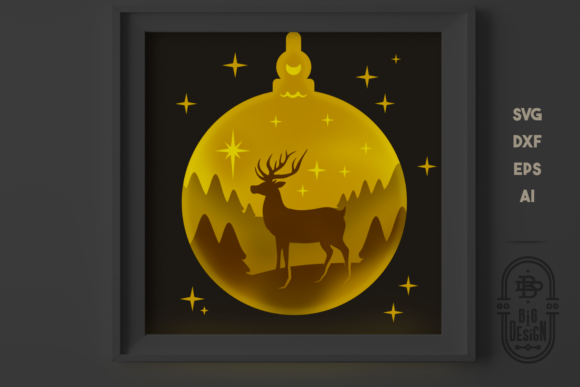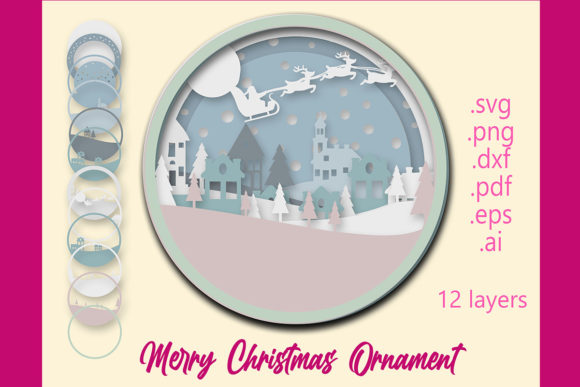
Christmas Ornament. 3D Layered: A Practical Guide to Evaluating Multi-Layer Digital Assets for Craft Projects
The landscape of digital crafting has evolved significantly, moving beyond simple single-plane cut files into complex, dimensional designs that offer greater visual impact. Among the most popular categories in this space is the Christmas Ornament. 3D Layered design. These assets are not merely decorative images; they are engineered blueprints for creating depth, shadow, and realism using layered materials like cardstock, foam board, or acrylic. For crafters evaluating their options, understanding the technical specifications, file compatibility, and practical applications of these multi-layer SVGs is essential before making a purchase or starting a project.
Understanding the Anatomy of 3D Layered Christmas Ornaments
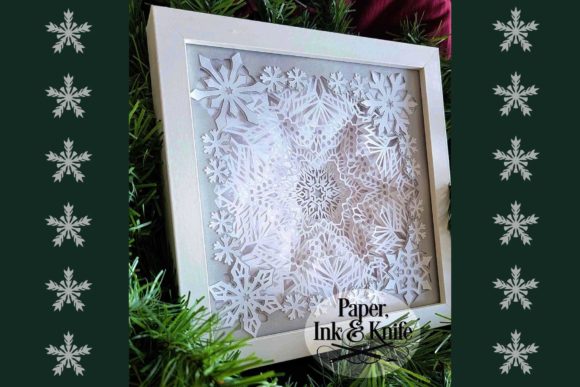
A standard vector graphic typically consists of a single shape with uniform color. In contrast, a Christmas Ornament. 3D Layered design utilizes multiple distinct layers stacked on top of one another to create a three-dimensional effect. This technique relies on precise alignment and spacing. The base layer often serves as the foundation, while subsequent layers add detail, texture, and depth. The final result mimics physical sculpture rather than flat illustration.
The distinct advantage of this format lies in its versatility. Unlike traditional ornaments that require painting or intricate hand-cutting, layered designs allow users to achieve professional-looking results by simply cutting, stacking, and adhering pre-defined shapes. However, this complexity introduces specific requirements regarding software proficiency and material selection. Users must understand how each layer interacts with the others to ensure the final ornament stands correctly and maintains structural integrity.
File Format Compatibility and Software Ecosystems
One of the primary considerations for any crafter is whether the digital asset will work with their existing equipment. The market offers various proprietary and open formats, but the most robust digital downloads provide comprehensive compatibility. A high-quality listing for a Christmas Ornament. 3D Layered product should include support across major cutting machine ecosystems.
- Cricut Design Space: Most modern crafters rely on Cricut machines. An SVG file optimized for Cricut ensures that the layers are grouped correctly and can be easily separated for individual cutting operations within the Design Space interface.
- Silhouette Studio (Basic and Designer Editions): Silhouette users have varying levels of software access. Providing both DXF files for the free Basic Edition and SVG files for the paid Designer Edition broadens accessibility. It is crucial to verify that the DXF export preserves the layer hierarchy, allowing users to separate components without manual tracing.
- Make the Cut and Sure Cuts A Lot: These specialized desktop applications require specific vector standards. Including native files for these platforms demonstrates a commitment to user inclusivity and reduces the friction of converting files between different software environments.
- Brother ScanNCut: As Brother’s ecosystem grows, compatibility with their proprietary formats or universally accepted SVGs is increasingly important for users who prefer all-in-one scanning and cutting devices.
Beyond vector formats, raster images play a supporting role. High-resolution PNGs with transparent backgrounds are invaluable for digital planning, mockups, or printing directly onto materials. Similarly, JPEGs with white backgrounds serve well for quick reference guides or printable instructions where transparency is not required. A complete package often includes a ZIP archive containing all these variations, ensuring that users have the right tool for every stage of the workflow.
Evaluating Design Complexity and Material Tradeoffs
When comparing different Christmas Ornament. 3D Layered options, the number of layers is a key metric. A "Multi layer image" might consist of only two or three pieces, suitable for beginners or quick projects. More intricate designs may feature ten or more layers, offering stunning detail but requiring significant time and precision.
The choice of material drastically affects the outcome. Cardstock is the most common medium due to its ease of use and availability. However, heavier stocks like chipboard or corrugated cardboard provide better structural support for larger ornaments. Acrylic sheets offer a modern, sleek aesthetic but require different blade settings and careful handling to prevent cracking. Foam board is another excellent option for lightweight yet sturdy layers, particularly when using hot glue for assembly.
Users must also consider the tradeoff between detail and durability. Highly detailed layers with small connecting points may be fragile once assembled. If the ornament is intended for display on a tree where it will be bumped frequently, simpler designs with fewer delicate parts may be more appropriate. Conversely, shelf displays allow for more intricate arrangements where fragility is less of a concern.
Decision Factors: When to Choose 3D Layered Over Alternatives
Selecting the right approach depends on the crafter’s goals, skill level, and available resources. Here is a breakdown of when a Christmas Ornament. 3D Layered SVG is the optimal choice versus when other methods might be preferable.
Best Fit Scenarios
- Batch Production: If you are creating gifts for a large group, layered SVGs allow for efficient repetition. Once the machine settings are dialed in, producing multiple identical ornaments is faster than hand-crafting unique pieces from scratch.
- Consistency and Precision: Machine cutting ensures that every layer is identical. This consistency is difficult to achieve with hand tools, making layered SVGs ideal for symmetrical designs or professional-grade presentations.
- Learning Curve Management: For those new to paper crafts, layered kits provide a guided experience. The files dictate the assembly order and alignment, reducing the guesswork involved in designing a 3D object from zero.
Alternative Considerations
However, there are situations where a 3D layered SVG may not be the best solution. If the goal is to create a rustic, organic look with irregular edges, laser-cut layered designs might appear too uniform. In such cases, hand-cutting with utility knives or using fabric-based ornaments might yield a more authentic aesthetic. Additionally, if the crafter lacks access to a cutting machine, the cost of acquiring hardware may outweigh the benefit of purchasing digital files. In these instances, printable PDFs designed for hand-tracing might be a more accessible entry point.
Practical Implementation and Assembly Tips
Successfully executing a Christmas Ornament. 3D Layered project requires attention to detail during the assembly phase. The provided documentation, often included in the digital download, is critical. Look for files that include step-by-step visual guides or clear labeling of each layer. Without proper instruction, aligning ten-plus layers can become frustrating and lead to misaligned results.
Adhesive selection is another pivotal factor. Hot glue guns are preferred for their quick drying time and ability to bridge gaps between layers. Liquid adhesives may warp thin cardstock, ruining the crisp edges achieved by the cutting machine. For heavier materials, epoxy resins or strong craft glues provide lasting bonds. It is advisable to test adhesives on scrap pieces first to ensure they do not discolor the material or leave visible residue.
Spacing techniques also enhance the 3D effect. Using spacers, such as small pieces of foam tape or even additional layers of cardstock cut into tiny squares, can lift certain elements off the background. This creates shadows and adds another dimension to the ornament, elevating it from a simple stack of paper to a true sculptural piece.
Conclusion on Evaluation Criteria
Evaluating a Christmas Ornament. 3D Layered digital download involves looking beyond the preview image. Critical factors include file format diversity, software compatibility, layer count, and the clarity of included instructions. By understanding these technical aspects, crafters can make informed decisions that align with their equipment capabilities and creative objectives. Whether used for personal enjoyment, gift-giving, or small-scale commercial ventures, these multi-layer assets offer a powerful blend of efficiency and artistic expression. The key to success lies in matching the complexity of the design with the appropriate materials and assembly techniques, ensuring that the final product reflects the quality of the digital blueprint.