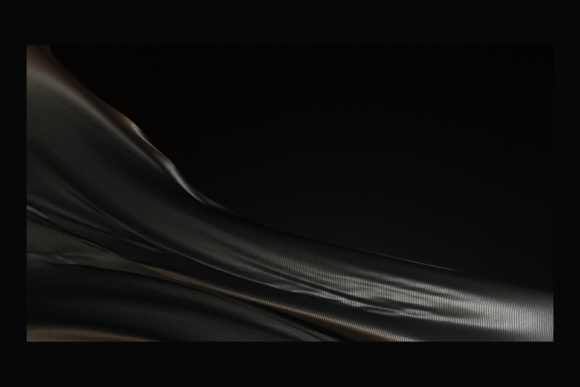
Luxury Carbon Fabric Background Design
In the world of digital design, visual hierarchy and texture are just as critical as color theory and typography. When you need to convey sophistication, precision, and high-tech reliability, few materials offer the immediate psychological impact of Luxury Carbon Fabric Background Design. This aesthetic is no longer confined to automotive engineering or aerospace components; it has become a staple in modern digital interfaces, branding, and creative presentations.
At its core, this design language relies on the interplay between dark, matte surfaces and intricate geometric patterns. It evokes the feeling of raw carbon fiber composite raw material, offering a tactile quality that feels premium even on a flat screen. Whether you are building a portfolio for a tech startup, designing a dashboard for a complex software application, or creating marketing assets for a luxury product, understanding how to leverage this style can significantly elevate your work.
The Anatomy of the Aesthetic
To truly appreciate why this background style works, we must look at its visual components. The term "Luxury Carbon Fabric" suggests more than just a black grid; it implies a specific finish and depth. In a 3D render abstract background with cables, for instance, the designer isn't just placing lines on a page. They are simulating light interaction with a woven surface.
Key characteristics include:
- Dark Black Geometric Grid: The foundation is almost always a deep, rich black or charcoal gray. This provides maximum contrast for foreground elements, ensuring readability and focus. The grid itself represents structure, order, and engineering precision.
- Modern Dark Abstract Texture: Unlike a rigid blueprint, the best designs incorporate subtle imperfections or variations in the weave. This creates a "soft carbon fiber background 3D illustration" feel, where the texture looks organic yet controlled. It avoids the sterile look of early 2000s tech graphics.
- Wave-Shaped Wires and Cables: Adding dynamic elements like wave-shaped wires introduces movement. These cables often feature a carbon braid texture, reinforcing the theme of connectivity and data flow. They guide the eye across the composition without overwhelming the main content.
- Technology-Themed Illustration: The overall vibe is futuristic but grounded. It speaks to innovation, durability, and advanced manufacturing. It is not about flashy neon lights (though those can complement it); it is about the sleek, understated power of modern materials.
Why Choose This Style?
The decision to use Luxury Carbon Fabric Background Design should be strategic. It communicates specific values to your audience before they even read a single word of copy. Here is why it resonates across various industries:
- Perceived Value: Carbon fiber is associated with high-performance vehicles, expensive sports equipment, and cutting-edge technology. Using this aesthetic subconsciously signals to the viewer that the product or service being presented is premium, durable, and technologically advanced.
- Focus and Clarity: The dark background reduces eye strain and allows white or brightly colored text and UI elements to pop. This is particularly useful for data-heavy dashboards or technical documentation where clarity is paramount.
- Modernity: While trends shift, the industrial chic look of carbon textures has remained relevant because it bridges the gap between analog craftsmanship and digital futurism. It feels current without being tied to a fleeting fad.
Practical Applications Across Industries
The versatility of this design element means it can be adapted for numerous use cases. Let’s explore how different professionals can integrate these visuals into their workflows.
Digital Products and UI/UX Design
For developers and UX designers, a dark mode interface is standard. However, adding a subtle carbon braid texture to the background layers can add depth and prevent the interface from feeling flat. Imagine a trading platform or a gaming overlay where the background features a soft carbon fiber pattern. It adds a layer of immersion without distracting from the critical data points displayed on top. The wave-shaped wires can serve as decorative borders or dividers, separating sections of the app while maintaining the thematic consistency.
Marketing and Branding
Entrepreneurs and marketers looking to position a brand as innovative should consider this aesthetic for landing pages, social media headers, and email campaigns. A Luxury Carbon Fabric Background Design works exceptionally well for:
- Tech startups launching new hardware or software.
- Automotive companies showcasing performance metrics.
- Financial firms wanting to project stability and security.
- Gaming communities seeking a sleek, edgy identity.
When used correctly, these backgrounds make call-to-action buttons stand out. The contrast between the dark, textured backdrop and a vibrant orange or electric blue button creates an irresistible visual pull.
Educational and Corporate Presentations
Educators and corporate trainers often struggle with slides that are either too plain or too cluttered. A template featuring a modern dark abstract texture provides a professional canvas. It allows presenters to insert charts, graphs, and images that appear crisp and clear. The geometric grid can subtly align content, helping to organize information logically. For example, a lecture on materials science could literally use a macro shot of carbon fibers, while a business strategy deck might use the more abstract wire-and-grid interpretation.
Implementation Tips and Best Practices
Awareness of the aesthetic is one thing; execution is another. To ensure your use of Luxury Carbon Fabric Background Design enhances rather than hinders your project, keep these practical considerations in mind.
Balance is Key
One of the most common mistakes is over-texturing. If the carbon weave is too prominent, it competes with your text and images. The goal is for the background to support the content, not dominate it. Use opacity adjustments or blur effects to soften the texture. Think of it as a "soft carbon fiber background 3D illustration"—it should be felt more than seen. If the user has to squint to read your headline, the background is too strong.
Color Pairing
While the base is black, pairing it with the right accent colors is crucial. Metallic tones like silver, chrome, and gunmetal reinforce the industrial feel. For a more energetic look, pair the dark grid with neon accents such as cyan, magenta, or lime green. Avoid warm, earthy tones unless you are aiming for a very specific rustic-industrial hybrid, which rarely works well with this particular aesthetic.
Resolution and Detail
Because the appeal lies in the fine details of the weave and the cables, low-resolution images will look pixelated and cheap. Ensure you are using high-quality vector graphics or high-DPI renders. If you are creating your own assets, pay attention to the lighting. The "luxury" aspect comes from the way light catches the edges of the carbon fibers. Proper shading and highlights give the 3D render abstract background its realistic depth.
Accessibility Concerns
Designers must remember that dark backgrounds can pose challenges for users with visual impairments. Always maintain a high contrast ratio between text and background. WCAG (Web Content Accessibility Guidelines) standards require sufficient contrast to ensure readability. Testing your design with accessibility tools is essential. A beautiful technology-themed illustration is useless if half your audience cannot read the content.
Conclusion
Adopting a Luxury Carbon Fabric Background Design is about more than just picking a cool texture. It is about communicating a message of quality, precision, and forward-thinking innovation. By understanding the nuances of this aesthetic—from the geometry of the grid to the flow of the wave-shaped wires—you can create digital experiences that are not only visually striking but also functionally effective.
Whether you are a freelancer crafting a personal brand, a marketer launching a campaign, or an educator simplifying complex topics, this design language offers a powerful tool in your arsenal. Use it wisely, prioritize usability, and let the premium feel of the carbon fiber texture elevate your work to the next level.