3D Fall Flowers SVG: A Practical Evaluation for Seasonal Crafting
The transition into autumn brings a specific set of creative challenges and opportunities. For crafters, designers, and small business owners, the demand for seasonal decor is high, but the execution requires precision and aesthetic appeal. Among the various digital assets available for laser cutting and vinyl plotting, the 3D Fall Flowers SVG has emerged as a notable option for creating dimensional paper art. This design moves beyond flat decals, offering a layered approach that adds depth and realism to fall-themed projects. By examining its technical specifications, usability across different software platforms, and practical application in cardstock crafting, we can determine its true value for both hobbyists and professionals.
Understanding the Design Architecture
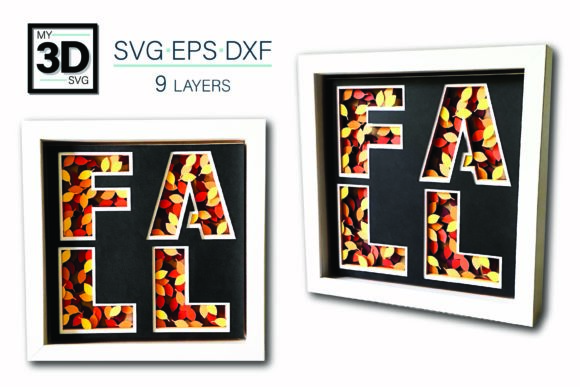
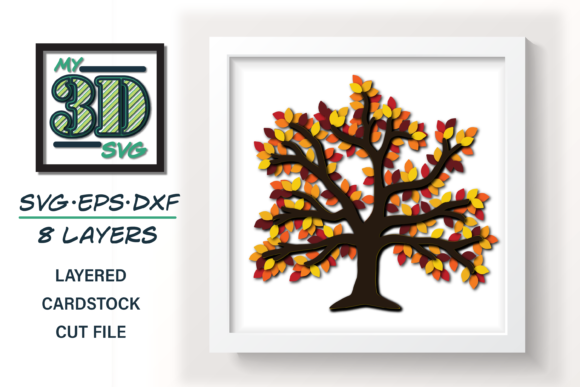
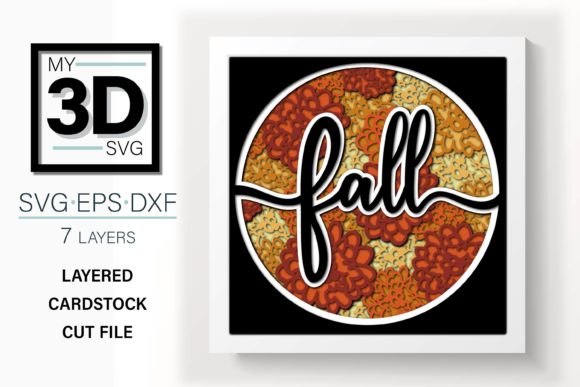
At its core, this project is built around a seven-layer composition. The complexity of a 7-layer design lies not just in the number of files, but in the strategic alignment required to achieve a cohesive final product. Unlike simple single-cut designs, multi-layered SVGs require careful planning regarding scale, overlap, and color contrast. The 3D Fall Flowers SVG utilizes standard 8.5x11 inch cardstock, which makes it accessible for users without industrial-grade equipment. This size constraint is significant because it dictates the maximum footprint of the finished piece, ensuring it fits within standard framing options or shipping envelopes if sold as part of a product line.
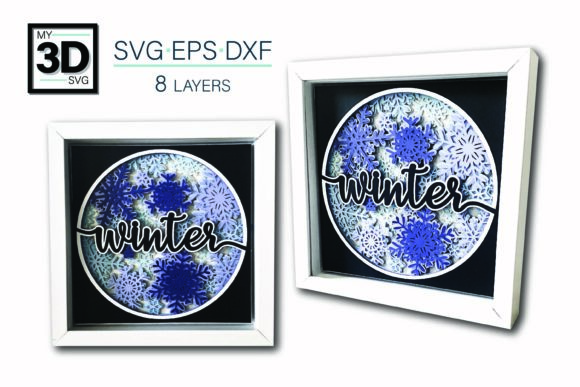
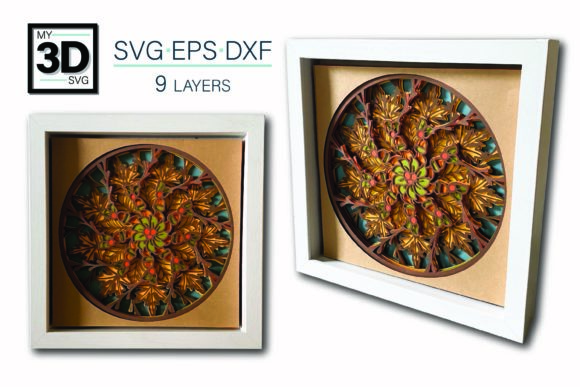
The strength of this particular design is its adaptability. The creator notes that changing the colors allows the design to transform significantly. In professional graphic terms, this suggests a modular color palette where hue and saturation drive the mood rather than structural changes. For instance, shifting from warm oranges and reds to muted golds and browns can change the piece from a vibrant harvest display to a sophisticated, neutral-toned accent. This flexibility increases the asset's utility, allowing a single purchase to serve multiple aesthetic goals throughout the season.
Technical Compatibility and File Formats
One of the most critical factors in evaluating digital craft assets is software compatibility. The market is fragmented, with different cutting machines relying on proprietary or specialized file types. The inclusion of multiple formats in the download package addresses this fragmentation effectively. Users receive an SVG file optimized for Cricut Design Space, a DXF file for Silhouette Studio, an EPS file for Adobe Illustrator, Make the Cut, CorelDRAW, and Inkscape, along with other vector editors.
- SVG (Cricut Design Space): Essential for users of the popular Cricut family of cutters. This format ensures that layer separation and grouping are preserved correctly within the Cricut ecosystem, reducing setup time.
- DXF (Silhouette Studio): The standard exchange format for Silhouette machines. Providing a dedicated DXF file prevents the common issues associated with converting SVGs, such as lost layers or misaligned paths.
- EPS: A versatile vector format compatible with professional design software like Adobe Illustrator and Inkscape. This is crucial for designers who need to further manipulate the artwork, adjust line weights, or integrate the flowers into larger composite designs before sending them to the cutter.
This comprehensive file support indicates that the creator understands the diverse workflows of their audience. It eliminates the friction often experienced when trying to convert files between incompatible programs, which can lead to corrupted geometry or failed cuts.
Usability and Instructional Support
Digital downloads are only as good as the instructions provided. Complex layered designs carry a higher risk of user error during assembly. Misalignment of even a few millimeters can ruin the 3D effect, making the flower look distorted rather than dimensional. The inclusion of a PDF instruction manual is a significant value-add. While the prompt does not detail the contents of the PDF, in the context of a 7-layer design, such documentation typically includes:
- Layer order diagrams showing how each sheet overlaps the previous one.
- Color-coding guides to match specific layers to specific cardstock sheets.
- Adhesive recommendations, such as whether foam tape or liquid glue is preferred for maintaining height.
- Scaling tips, particularly if the user wishes to resize the design while maintaining aspect ratios.
For serious hobbyists and entrepreneurs, clear instructions reduce the learning curve and minimize material waste. Cardstock can be expensive, especially when using specialty finishes like metallic or textured papers. Having a reliable guide ensures that the first attempt is likely to be successful, protecting the user’s investment in materials.
Practical Applications and Target Audience
Who benefits most from the 3D Fall Flowers SVG? The primary audience includes:
- Hobbyist Crafters: Individuals looking to create unique home decor items. The ability to customize colors means these pieces can match existing interior design schemes, moving away from generic store-bought decorations.
- Small Business Owners: Sellers on platforms like Etsy or at local craft fairs. A 3D paper flower arrangement is a tangible, high-perceived-value item. Because the design is digital, the marginal cost of production is low (paper and adhesive), potentially offering healthy profit margins.
- Event Planners and Educators: Those organizing autumn-themed events, classroom decorations, or seasonal displays may find the standardized size and easy assembly process advantageous for bulk production.
The design’s reliance on standard cardstock also lowers the barrier to entry. Users do not need to source exotic materials or specialized tools beyond a basic electronic cutter and a bonding agent. This accessibility makes it suitable for beginners who want to tackle more complex projects than simple monograms, as well as experts looking for quick, effective decorative elements.
Limitations and Considerations
No digital asset is without limitations. The effectiveness of a 7-layer design is heavily dependent on the quality of the cut. If the blade dulls or the mat loses adhesion, fine details in the petals may tear or shift. Furthermore, the "3D" effect is purely optical; it does not involve actual physical volume beyond the thickness of the cardstock layers. Users should manage expectations regarding durability. Paper-based decor is susceptible to humidity and physical damage, making it best suited for indoor use.
Additionally, while the file formats cover most major platforms, users working with older versions of software may encounter compatibility issues with newer SVG features. It is always prudent to test-cut a single layer before committing to the full 7-layer build. The creator’s offer to answer questions provides a safety net, suggesting active support, which is a positive indicator for post-purchase satisfaction.
Final Assessment
The 3D Fall Flowers SVG represents a well-considered digital product that balances aesthetic complexity with practical usability. Its strength lies in its multi-format availability, which respects the diverse technological landscape of the crafting community, and its instructional support, which mitigates the risks associated with layered assembly. The ability to alter color schemes enhances its longevity, preventing it from becoming obsolete after a single season.
For those seeking to add depth and professionalism to their fall projects, this design offers a reliable foundation. It is particularly valuable for individuals who prioritize workflow efficiency and want to avoid the trial-and-error phase often associated with new digital patterns. Whether used for personal enjoyment or commercial gain, the asset provides a solid starting point for creating visually striking autumn decor.