3D WINTER SVG: Strategic Integration for High-Impact Seasonal Projects
In the landscape of modern crafting and small business operations, the distinction between a simple decoration and a strategic brand asset lies in execution. The 3D WINTER SVG represents more than just a digital file; it is a tool for creating tangible, multi-dimensional experiences that resonate with audiences during the holiday season. For entrepreneurs, educators, and creators aged 20 to 50, leveraging this specific design allows for the production of high-value physical products that stand out in a crowded market. This guide explores how to approach the 8-layer 3D winter design not merely as a craft project, but as a method for enhancing creativity, operational efficiency, and customer engagement.
Understanding the Asset: Beyond Simple Cut Files
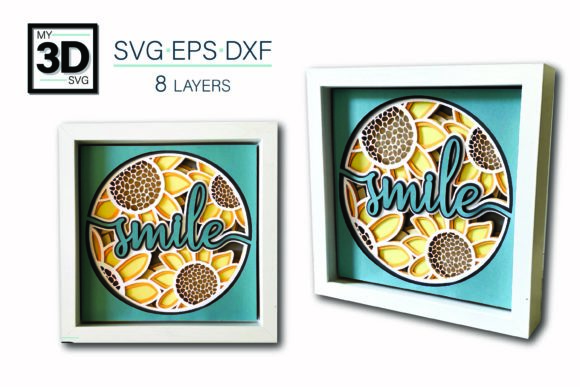
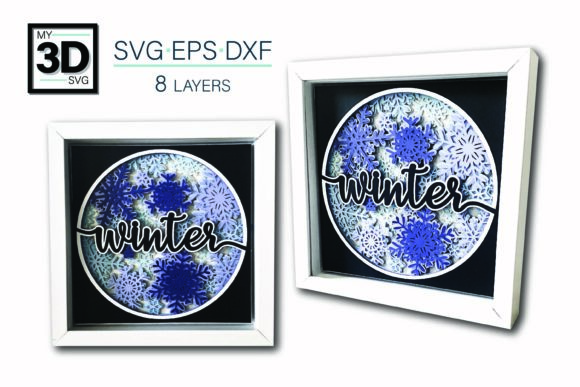
A standard vector graphic serves two primary purposes: scalability and precision. However, a 3D WINTER SVG introduces a third dimension—depth. This particular design utilizes an 8-layer structure, meaning it requires careful planning, layering, and assembly. Unlike flat decals or single-cut signs, this design demands attention to spatial relationships and material properties. When you acquire this file, you are not just receiving a shape; you are receiving a blueprint for complexity.
The strategic value here is immediate. By offering a product that requires assembly or presents a sophisticated visual depth, you elevate the perceived value of your output. Whether you are selling finished decor on platforms like Etsy, creating custom gifts for clients, or producing educational materials for students, the 3D aspect signals effort and quality. It transforms a commodity into a keepsake. The ability to change colors around within the design further amplifies its versatility, allowing you to adapt the aesthetic to different brand palettes or seasonal themes without altering the core structure.
Technical Specifications and Workflow Efficiency
One of the most critical aspects of integrating any digital asset into your workflow is compatibility. The 3D WINTER SVG is engineered for broad accessibility across major cutting software ecosystems. You will receive the following file formats to ensure seamless integration regardless of your preferred hardware:
- SVG: Optimized for Cricut Design Space, ensuring smooth operation for the vast majority of hobbyist and semi-professional users.
- DXF: Designed for Silhouette Studio, catering to users who prefer the Silhouette platform for its robust layer management tools.
- EPS: A universal vector format compatible with Adobe Illustrator, Make the Cut, Corel Draw, and Inkscape. This is crucial for professionals who need to manipulate the nodes and paths before sending them to a cutter.
This multi-format delivery reduces friction in your production pipeline. You do not need to worry about conversion errors or lost data when switching between machines. Furthermore, all cardstock designs come with a comprehensive PDF containing instructions on how to put these projects together. This support document is vital for maintaining consistency, especially if you are training staff or guiding customers through the assembly process. It ensures that the final product matches the intended vision every time.
Material Strategy: The Role of Standard Cardstock
The recommendation to use standard 8.5x11 cardstock is a deliberate choice that balances cost, durability, and ease of handling. For small business owners and freelancers, margin protection is key. Standard cardstock is widely available, affordable, and easy to source in bulk. However, the 8-layer nature of the 3D WINTER SVG means that material thickness becomes a factor. If the cardstock is too thick, the layers may not adhere properly or may create unwanted bulk at the edges. If it is too thin, the structural integrity of the 3D effect may collapse.
To achieve the best results, consider experimenting with different weights and textures of cardstock. A heavier stock (such as 65lb or 80lb cover weight) will provide better stability for larger pieces, while lighter stocks may be preferable for intricate, smaller decorations. The instruction manual provided with the design offers baseline guidance, but understanding your specific materials is part of the strategic advantage. By mastering the interaction between your software settings and your physical media, you reduce waste and improve throughput.
Customization as a Competitive Advantage
The prompt notes that you can "change the colors around and see how the design changes." This is not just a suggestion; it is a core feature of the design’s utility. In branding and marketing, consistency is important, but so is adaptation. The layered structure of the 3D WINTER SVG allows for color blocking, gradient effects, and thematic variations.
Consider these practical applications:
- Corporate Gifting: A company might request a version where the outer layers match their brand blue, while the inner layers remain white to create contrast. This turns a generic holiday decoration into a branded touchpoint.
- Educational Projects: Teachers can use the design to teach concepts of geometry, symmetry, and color theory. Students can experiment with layering to understand how overlapping shapes create new visual forms.
- Seasonal Transitions: While inherently a "winter" design, adjusting the color palette can shift the mood from stark icy blues to warm festive reds and golds, allowing you to sell the same base design throughout the entire holiday season.
This flexibility supports long-term revenue streams. Instead of designing a new product for every slight variation in trend, you have a modular asset that can be re-skinned quickly. This approach aligns with lean manufacturing principles applied to creative work: maximize the utility of each asset.
Risks and Mitigation Strategies
While the 3D WINTER SVG offers significant benefits, there are risks associated with complex layering projects. The primary risk is user error during assembly. An 8-layer design requires patience and precision. If layers are misaligned, the 3D effect is lost, and the product appears flawed. To mitigate this:
- Quality Control: Implement a strict inspection routine. Check alignment on the first few units produced before scaling up.
- Clear Communication: If selling to consumers, ensure the included PDF instructions are clear. Consider adding video tutorials or QR codes linking to assembly guides. This reduces returns and negative reviews caused by frustration.
- Software Proficiency: Ensure that anyone using the design understands how to handle layers in their respective software. In Adobe Illustrator, for example, grouping and locking layers is essential to prevent accidental movement during editing.
Another consideration is the environmental impact. Using multiple layers increases paper consumption. Strategically, you should position this product as premium and durable, encouraging recipients to keep it rather than discard it. This aligns with growing consumer demand for sustainable, long-lasting goods over disposable decor.
Intentional Use for Better Results
The difference between random crafting and strategic creation is intentionality. Before cutting into cardstock, ask yourself what goal this 3D WINTER SVG serves. Is it to build brand awareness? To engage a community? To generate direct sales? Your answer will dictate how you present the final product.
If the goal is sales, focus on high-quality photography that highlights the depth and texture of the layers. Show the product in use, perhaps lit by candlelight or placed against a textured background, to emphasize its three-dimensional qualities. If the goal is education, focus on the process. Share behind-the-scenes content showing the layering technique, which adds value by teaching your audience skills they can apply to other projects.
Ultimately, the 3D WINTER SVG is a powerful tool because it bridges the gap between digital convenience and physical artistry. It allows you to produce complex, beautiful items efficiently. By understanding the technical requirements, respecting the material constraints, and applying strategic customization, you can turn this 8-layer design into a cornerstone of your seasonal offerings. Remember, the design is only as good as its execution. Take the time to plan, test, and refine. Reach out with questions when needed, and always prioritize clarity in both your production process and your customer communication.