3D Fall: A Layered Approach to Seasonal Design
The transition into autumn offers a unique canvas for creative expression, blending the warmth of harvest tones with the crisp geometry of changing leaves. For designers, hobbyists, and small business owners, capturing this seasonal shift requires more than just a flat image; it demands depth, texture, and dimension. This is where 3D Fall concepts come into play, transforming simple digital vectors into tangible, multi-layered artworks that command attention. By leveraging the power of layered SVG designs, creators can produce decorations, marketing materials, and educational resources that feel substantial and engaging.
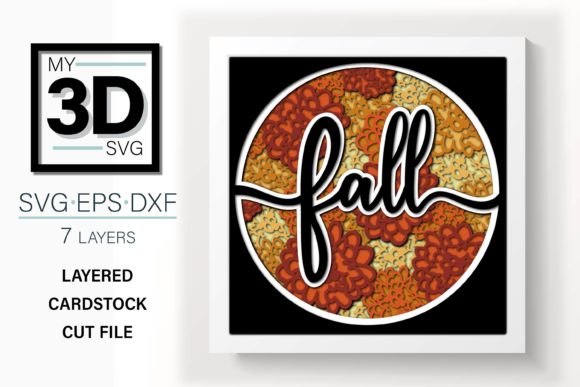
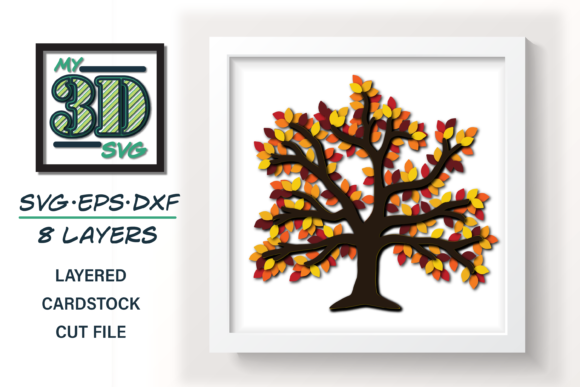
At its core, a 3D Fall design relies on the strategic use of overlapping elements to create visual depth. Unlike traditional two-dimensional graphics, these projects utilize multiple layers—often ranging from five to nine distinct pieces—to simulate the complexity of nature. When assembled correctly, these layers cast subtle shadows and interact with light, giving the final product a physical presence that resonates with viewers. Whether you are crafting a classroom display or designing packaging for a seasonal product line, understanding how to manipulate these layers is key to achieving a professional result.
Understanding the Mechanics of Layered Design
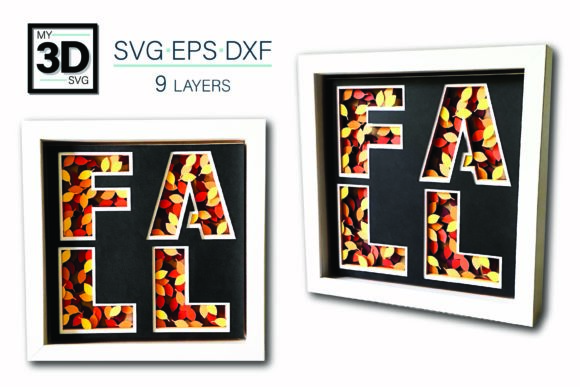
The success of any 3D project hinges on the precision of its source files. The specific design referenced here is built as a 9-layer composition, a level of detail that allows for significant customization without overwhelming the user. Each layer represents a distinct part of the overall image, such as background foliage, mid-ground branches, and foreground accents. When cut from standard 8.5x11 cardstock, these layers stack to form a cohesive scene. The choice of cardstock weight matters; heavier paper holds its shape better, ensuring that the vertical stacking remains stable and visually striking.
Versatility is the primary advantage of using vector-based formats like SVG. Because the design is scalable, it can be resized for various applications without losing quality. However, the true magic lies in color manipulation. By altering the hue of each individual layer, you can completely change the mood of the piece. A warm palette of oranges and reds evokes the feeling of late October, while a cooler scheme of purples and blues might suggest an early morning frost. Experimenting with these color combinations allows you to tailor the aesthetic to match specific brand guidelines or personal preferences.
File Format Compatibility
One of the most practical aspects of modern digital crafting is the accessibility of file formats. To ensure that your project can be executed regardless of your preferred software ecosystem, high-quality designs should be available in multiple formats. This particular 3D Fall design includes:
- SVG (Scalable Vector Graphics): Essential for Cricut Design Space users, allowing for easy editing and layer management within the cutting machine’s interface.
- DXF (Drawing Exchange Format): Compatible with Silhouette Studio, providing another robust option for those who prefer Silhouette hardware.
- EPS (Encapsulated PostScript): A versatile format supported by Adobe Illustrator, Make the Cut, CorelDRAW, and Inkscape. This ensures that professional graphic designers can import, edit, and refine the design before sending it to production.
This multi-format approach removes barriers to entry, allowing both casual crafters and seasoned professionals to utilize the same high-quality asset. It also facilitates collaboration; a designer can prepare the artwork in Illustrator, send the EPS file to a client, and the client can then convert it to DXF or SVG for their own cutting machines.
Creative Applications Across Industries
The utility of a 3D Fall design extends far beyond simple home decor. Its adaptability makes it a valuable tool for educators, marketers, and content creators alike. For teachers, these layered designs serve as excellent visual aids during lessons about seasons, biology, or art history. They provide a hands-on element that engages students and encourages them to explore spatial relationships and color theory.
In the realm of marketing and branding, businesses can leverage 3D Fall elements to create standout social media content. A static image of a leaf is common; a 3D-rendered or physically crafted layered leaf catches the eye as users scroll through their feeds. Small business owners selling handmade goods can incorporate these designs into their product photography, adding a seasonal touch that increases perceived value. Bloggers and influencers can use these visuals to break up text-heavy posts, making their content more digestible and aesthetically pleasing.
Customization for Brand Identity
To maintain consistency with brand identity, it is crucial to adjust the color palette to align with existing corporate colors. If a company uses green and brown as primary tones, the fall design can be adapted to feature deep forest greens and earthy browns rather than traditional bright oranges. This subtle adaptation ensures that seasonal promotions do not clash with year-round branding efforts. Furthermore, adding logos or custom text to the topmost layer can transform a generic decoration into a branded asset.
Practical Tips for Execution
Creating a successful 3D Fall project requires attention to detail during the assembly process. Start by organizing your layers before cutting. Labeling each piece or keeping them in order can prevent confusion when stacking. When cutting from cardstock, ensure your blade is sharp and the tension settings are correct to achieve clean edges. Rough edges can detract from the polished look of the final assembly.
Assembly often involves gluing or adhering the layers together. Using a foam adhesive pad between layers can enhance the 3D effect by increasing the distance between planes, thereby deepening the shadow lines. Alternatively, for a flatter but still layered look, direct adhesion works well. Consider the lighting conditions under which the final piece will be displayed. Natural light tends to highlight the textures and colors best, while artificial lighting may require adjustments to contrast levels.
For those looking to scale up production, such as for a school event or a large retail display, consider using colored cardstock that matches your desired palette exactly. This eliminates the need for painting or coloring after cutting, saving time and ensuring uniformity across multiple units. Additionally, experimenting with different paper finishes—such as matte, glossy, or textured—can add another dimension to the design, influencing how light reflects off the surface.
Embracing Creative Variation
The beauty of digital design lies in its repeatability and modifiability. Once you have mastered the basic 3D Fall structure, you can apply similar techniques to other themes. Winter scenes, spring blossoms, and summer landscapes can all benefit from this layered approach. The skills learned in managing the 9-layer fall design translate directly to other projects, building a repertoire of techniques that enhance your overall design capability.
Ultimately, the goal is to create something that feels authentic and thoughtful. In a world saturated with digital noise, physical objects that demonstrate care and craftsmanship stand out. By investing time in selecting the right colors, choosing appropriate materials, and assembling the layers with precision, you create a piece that not only looks good but also tells a story. Whether used for personal enjoyment or professional gain, the 3D Fall design serves as a testament to the power of layered creativity.
As you begin your project, remember that there is no single "correct" way to assemble the design. Encourage experimentation. Try mixing patterns within the layers, or combine this design with other elements to create a larger collage. The flexibility of the SVG and EPS formats supports this iterative process, allowing you to refine your vision until it perfectly meets your needs. By embracing the possibilities of 3D Fall, you open the door to a richer, more dynamic approach to seasonal design.