The Art of Paper Engineering: Mastering the 3D Sunflower Smile SVG for Creative Projects
In the realm of digital crafting and paper engineering, few elements capture the essence of warmth and complexity as effectively as a multi-layered floral design. The 3D Sunflower Smile SVG represents a significant leap forward in accessible papercraft technology, transforming simple vector files into tangible, dimensional art pieces. This specific design is not merely a flat image; it is an architectural blueprint for joy, constructed to bring depth, texture, and vibrant color to any surface it adorns. For hobbyists, educators, and professional designers alike, understanding the mechanics behind this eight-layer masterpiece offers insights into the broader world of scalable paper art.
The allure of the sunflower lies in its universal symbolism of happiness, loyalty, and longevity. However, when translated into a physical medium through digital cut files, these symbolic attributes are amplified by the interplay of light and shadow. The 3D Sunflower Smile SVG leverages this principle, requiring users to stack individual components to create a volumetric effect that mimics the natural structure of the flower. This guide explores the technical specifications, creative applications, and practical considerations involved in bringing this intricate design to life using standard materials.
Deconstructing the Eight-Layer Architecture
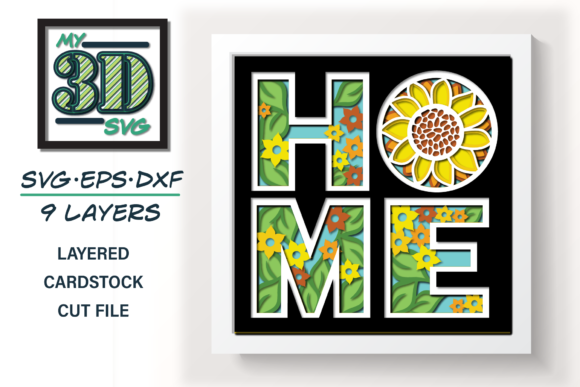
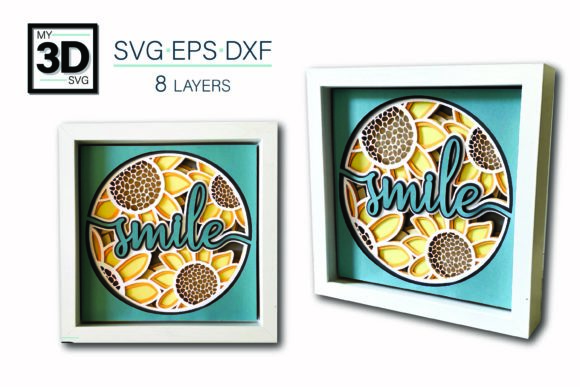
At the heart of this project is its structural integrity. Unlike traditional single-layer decals or stickers, the 3D Sunflower Smile SVG is composed of eight distinct layers. Each layer serves a specific purpose in creating the illusion of depth and realism. The base layer typically anchors the design, providing stability against the backing material. As the layers ascend, they introduce varying degrees of curvature and overlap, simulating the radial symmetry found in nature.
Understanding this hierarchy is crucial for successful assembly. The innermost layers often represent the center disk of the sunflower, rich in detail and texture. Moving outward, subsequent layers form the petals, each slightly larger than the last. This graduated sizing ensures that the final product does not appear flat but rather blooms outward from the center. The precision required in cutting these layers means that the source file must be meticulously crafted to ensure clean edges and perfect alignment. When executed correctly, the result is a tactile experience where the viewer can almost feel the texture of the petals.
Material Selection and Cardstock Specifications
One of the most significant advantages of this particular design is its compatibility with standard 8.5x11 cardstock. This specification democratizes the craft, allowing creators to use readily available materials without the need for specialized industrial equipment or exotic papers. Standard cardstock provides the necessary weight and rigidity to hold the shape of the layered petals while remaining flexible enough to fold and adhere properly.
- Weight Considerations: While standard cardstock is sufficient, selecting a weight between 65lb and 80lb cover stock is recommended. Heavier stocks may provide better durability but can be challenging to cut on consumer-grade machines if the blade pressure is not adjusted correctly.
- Color Palette: The versatility of the 3D Sunflower Smile SVG allows for extensive customization. While traditional yellow and brown tones evoke the classic look of a sunflower, modern interpretations might utilize pastel yellows for a soft nursery aesthetic, or deep oranges and reds for a bold, contemporary statement piece.
- Texture and Finish: Creators can experiment with matte, glossy, or textured cardstocks. A matte finish often enhances the depth of the shadows between layers, whereas a glossy finish can add a striking contrast, particularly if mixing finishes across different layers.
Creative Applications Across Diverse Sectors
The utility of the 3D Sunflower Smile SVG extends far beyond simple decoration. Its adaptability makes it a valuable asset in various professional and educational contexts. By changing the colors around to fit your own home decor, one can seamlessly integrate this element into interior design schemes ranging from rustic farmhouse to modern minimalist.
Home Decor and Interior Styling
In residential settings, three-dimensional wall art has become a popular trend for adding character to neutral spaces. A large-scale version of the sunflower design can serve as a focal point in a living room or entryway. The dynamic nature of the layered petals catches ambient light differently throughout the day, creating a shifting visual experience. Smaller iterations can be used as accents on bookshelves, mantels, or as part of a curated gallery wall.
Furthermore, the ability to customize colors means that the design can be tailored to match seasonal themes. Spring collections might feature bright, saturated hues, while autumn displays could incorporate burnt sienna and gold tones. This flexibility ensures that the artwork remains relevant and engaging year-round.
Educational Tools for STEM and Arts
For educators, the 3D Sunflower Smile SVG serves as an excellent interdisciplinary tool. In mathematics classes, students can explore geometry by analyzing the spiral patterns inherent in the petal arrangement, which often follow Fibonacci sequences. In art classes, the project introduces concepts of negative space, layering, and perspective.
The process of assembling the eight layers also teaches fine motor skills and patience. Students learn the importance of precision in alignment and the satisfaction of seeing a complex plan come together in three dimensions. It bridges the gap between digital design (SVG) and physical creation (papercraft), offering a hands-on introduction to engineering principles.
Event Design and Corporate Branding
Businesses and event planners can leverage this design for unique branding opportunities. Imagine a corporate office lobby featuring a massive, custom-colored sunflower sculpture that embodies company values of growth and positivity. At weddings or parties, these designs can be adapted into table centerpieces, photo booth props, or even invitations themselves. The distinctive "smile" aspect of the design adds an emotional resonance that resonates with guests, fostering a sense of warmth and welcome.
Workflow and Assembly Best Practices
Successfully executing a project based on the 3D Sunflower Smile SVG requires attention to detail during both the preparation and assembly phases. Most high-quality digital designs come with comprehensive support materials to guide the user through this process.
Utilizing Instructional Resources
A critical component of many premium SVG packages is the inclusion of a detailed PDF instruction manual. These guides are invaluable, particularly for those new to paper engineering. They typically include:
- Layer Mapping: Clear diagrams indicating which color corresponds to which layer number.
- Cutting Settings: Recommended machine settings for different types of cutters (e.g., Cricut, Silhouette) to prevent tearing or incomplete cuts.
- Adhesion Techniques: Tips on how to apply adhesive evenly without warping the paper, often recommending foam tape for certain layers to enhance the 3D effect.
- Assembly Sequence: Step-by-step instructions on the order in which layers should be stacked to ensure structural stability.
Creators are encouraged to review these resources thoroughly before beginning their cut. Skipping this step can lead to misalignment or wasted materials, especially when working with expensive or specialty cardstocks.
Troubleshooting Common Challenges
Even with precise instructions, challenges may arise. One common issue is paper curling due to humidity or improper storage. Storing cardstock in a cool, dry place prior to cutting helps maintain its flatness. Another challenge is ensuring that the layers do not shift during the gluing process. Using tweezers for handling smaller pieces and applying adhesive in small dots rather than wide strokes can mitigate this risk.
If a layer becomes damaged during cutting, having backup copies of the SVG file is essential. Digital files allow for infinite reproduction, meaning a mistake in one unit does not necessitate abandoning the entire project. Instead, simply reprint the affected layer and proceed with assembly.
Customization and Personal Expression
The true power of digital vector graphics lies in their scalability and editability. While the 3D Sunflower Smile SVG is designed to be used as-is, savvy users can modify the design to suit specific needs. Vector editing software allows for adjustments in size, rotation, and even color profiles.
For instance, a designer might wish to alter the aspect ratio to fit a specific frame or change the gradient of the petals to match a brand’s color palette. Because the file is an SVG (Scalable Vector Graphics), resizing the image does not result in pixelation or loss of quality, making it ideal for everything from tiny jewelry tags to large billboard installations. This adaptability ensures that the design remains a versatile tool in the creator’s arsenal.
Community Support and Continuous Learning
Engaging with the broader crafting community can significantly enhance the experience of working with complex designs like the 3D Sunflower Smile SVG. Online forums, social media groups, and maker spaces provide platforms for sharing tips, showcasing finished projects, and troubleshooting issues. Many designers actively encourage feedback and questions, fostering a collaborative environment where knowledge is shared freely.
Reaching out to the original creator or community members can provide personalized advice on techniques that work best for specific materials or machine types. This supportive network not only improves the quality of the final product but also enriches the overall creative journey. Whether you are a seasoned pro looking for inspiration or a beginner taking your first steps into paper engineering, the combination of a well-designed SVG and a supportive community creates a fertile ground for innovation.
Conclusion
The 3D Sunflower Smile SVG stands as a testament to the potential of digital tools to inspire physical creativity. By combining precise engineering with artistic expression, it offers a rewarding challenge that yields beautiful results. From enhancing home decor to serving as an educational resource, its applications are as diverse as they are impactful. With the right materials, careful adherence to instructions, and a willingness to experiment with color and scale, anyone can master this eight-layer marvel. As the crafting landscape continues to evolve, designs like this remind us that the intersection of technology and tradition holds endless possibilities for connection and beauty.