Mastering the Art of Depth: A Comprehensive Guide to the Star 3D Papercut Shadowbox Template
The intersection of traditional craftsmanship and modern digital fabrication has given rise to a fascinating category of decorative arts. Among the most compelling examples of this fusion is the Star 3D Papercut Shadowbox Template. This design tool does not merely provide a pattern; it offers a structured pathway to creating intricate, multi-dimensional artwork that captivates viewers through light, shadow, and spatial depth. Whether you are a seasoned crafter with a Cricut or Silhouette machine, an educator looking for engaging STEM activities, or a designer seeking unique wall art solutions, understanding the mechanics and creative potential of layered papercut art is essential.
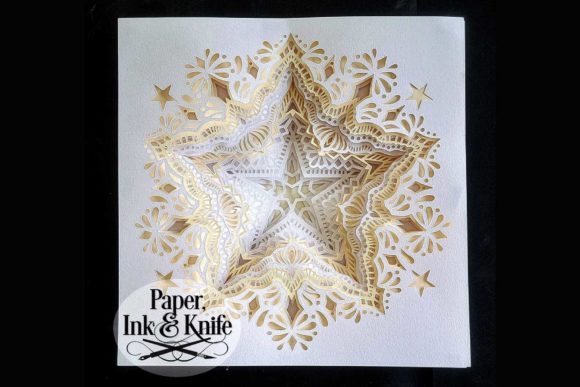
At its core, the Star Mandala Papercut Shadowbox Design represents a sophisticated approach to paper art. Unlike flat silhouettes that rely solely on negative space, this design utilizes ten distinct layers of papery goodness. These layers are meticulously engineered to interlock visually when assembled, creating a sense of infinite depth within a confined frame. The result is a piece that appears to float in space, transforming simple white paper into a complex visual experience. This guide explores the technical specifications, assembly workflows, material considerations, and creative applications of this template, providing a thorough resource for anyone looking to bring this spectacular design to life.
The Anatomy of a 10-Layer Masterpiece
To appreciate the final product, one must first understand the structural integrity of the design. The template is specifically sized for an 8 x 8 inch shadowbox frame, though its scalability allows for adaptation to various display needs. The design comprises ten individual layers, each containing a portion of the overall star mandala pattern. When these layers are separated by small gaps, they create parallax effects that trick the eye, giving the illusion of three-dimensionality.
The depth of the finished piece is determined by the spacing between layers. When assembled using double-sided foam tape, the stack will measure between half an inch to one inch deep. This specific depth is crucial; too little separation results in a muddy, indistinct image where layers blend together, while too much separation can cause the outer edges of the design to lose their connection to the central motif. The template’s precision ensures that even at maximum expansion, the geometric harmony of the star mandala remains intact.
Layering Strategies: Monochrome vs. Chromatic
One of the most versatile aspects of this template is the freedom it offers regarding color theory. While the default presentation suggests cutting all layers from white paper, this creates a dramatic play on light and shadow that is particularly effective when backlit. However, adding color transforms the aesthetic entirely.
- Monochromatic White: Using pure white cardstock for all ten layers emphasizes texture and silhouette. When illuminated, the shadows cast by each layer onto the next create a soft, ethereal glow. This style is ideal for minimalist interiors, wedding decor, or professional office spaces where subtlety is preferred.
- Multicolor Gradient: Assigning a different color to each layer introduces a new dimension of complexity. By selecting a cohesive color palette—such as a gradient from deep navy to pale blue, or warm golds to bright yellows—the artist can control the visual weight of the piece. Lighter colors placed toward the center draw the eye inward, while darker outer layers provide a grounding frame.
This flexibility makes the Star 3D Papercut Shadowbox Template suitable for a wide range of thematic projects, from celestial-themed nursery decorations to vibrant holiday ornaments.
Technical Compatibility and File Formats
A significant barrier to entry for many digital crafting enthusiasts is file compatibility. The designers of this template have addressed this challenge comprehensively by providing a diverse suite of file formats within the download package. This ensures that regardless of your equipment or skill level, you can access the necessary assets to begin your project.
Digital Cutting Machines
For users of popular electronic cutting machines like Cricut or Silhouette, the inclusion of SVG and DXF files is paramount. The package includes two distinct SVG files tailored for Cricut users:
- Stacked Layers: This file contains all ten layers grouped together. It is ideal for beginners who want to cut all pieces simultaneously without worrying about alignment during the export process.
- Unstacked Layers: This file separates each layer into individual elements within a single document. This format is preferable for advanced users who wish to organize their matting workspace more efficiently or who plan to use different materials for different layers.
Additionally, a DXF file is provided specifically for Silhouette Studio users, ensuring cross-platform usability. An EPS file is also included, catering to vector graphics professionals who may need to import the design into software like Adobe Illustrator or CorelDRAW for further customization before cutting.
Analog and Hybrid Workflows
Not every creator relies on automated machinery. For those who prefer the tactile experience of hand-cutting with an X-Acto knife, the package provides dedicated PDF resources. These include black outlines on a white background, optimized for both Letter size (printing at 8 x 8 inches) and A4 size (printing at 18 x 18 cm). Furthermore, a high-resolution PNG file is available for printing, resizing, and manual cutting, offering additional flexibility for non-standard frame sizes.
Assembly and Lighting Techniques
The success of a 3D papercut project lies largely in the assembly phase. The instructions provided in the ZIP file are designed to be read prior to any cutting, emphasizing the importance of preparation. The assembly process involves stacking the cut layers and securing them with double-sided foam tape. This adhesive choice is strategic; standard glue would flatten the layers and eliminate the desired depth, whereas foam tape maintains the structural gap.
Illumination: The Key to Spectacle
While the Star Mandala Papercut Shadowbox Design looks impressive unframed or in ambient light, its true potential is unlocked with illumination. Integrating fairy lights or LED strips between the layers elevates the piece from a static craft to a dynamic light installation.
When inserting lights, consider the following best practices:
- Heat Management: Ensure that the light source generates minimal heat to prevent warping the paper or melting the foam tape. Battery-operated LED string lights are the safest option.
- Placement: Tuck the wire strand gently behind the middle layers. This diffuses the light source, preventing harsh hotspots and allowing the glow to emanate evenly through the entire stack.
- Color Temperature: Warm white LEDs tend to enhance the cozy, inviting nature of mandala designs, while cool white LEDs can create a sharper, more modern contrast against colored paper.
Practical Applications Across Industries
The versatility of this template extends beyond hobbyist crafts. Its application spans multiple sectors, demonstrating the broad relevance of digital papercut art.
Education and Research
Educators can utilize the Star 3D Papercut Shadowbox Template as a tangible tool for teaching geometry, symmetry, and spatial reasoning. The mandala structure inherently teaches concepts of radial balance and repetition. In higher education or research settings, such models can serve as prototypes for understanding complex data visualization, where layers represent different datasets stacked to show cumulative impact.
Event Design and Corporate Branding
Business owners and event planners often seek unique ways to engage audiences. Customized versions of this template, incorporating brand colors and logos into the star layers, can serve as stunning centerpiece installations or branded giveaways. The ability to resize the design via printer settings or cutting software allows companies to adapt the artwork for everything from small desk displays to large lobby installations.
Interior Decor
For homeowners and interior designers, this template offers a cost-effective alternative to expensive 3D printed sculptures. The aesthetic appeal of layered paper art fits seamlessly into bohemian, minimalist, or eclectic decor styles. Because the design can be left unframed, it offers a floating effect that adds architectural interest to plain walls.
Considerations for Successful Execution
While the template claims to be easier than it looks, certain considerations ensure a professional finish. First, paper selection is critical. Standard copy paper may be too thin, causing wrinkles or tears during handling. Cardstock ranging from 65lb to 110lb is recommended for optimal rigidity and clean cuts.
Second, calibration of cutting machines is vital. Even minor misalignments in the cutting bed can result in layers that do not sit flush, disrupting the 3D effect. Users should perform test cuts on scrap material to verify blade depth and pressure settings.
Finally, patience during assembly cannot be overstated. Taking the time to ensure each layer is perfectly centered before applying foam tape prevents the "off-kilter" look that can detract from the symmetry of the mandala. The reward for this meticulousness is a piece of art that commands attention and sparks conversation.
Conclusion
The Star 3D Papercut Shadowbox Template is more than just a collection of digital files; it is a gateway to exploring the boundaries of paper art. By combining precise engineering with artistic freedom, it allows creators to produce works that are both structurally sound and visually breathtaking. Whether you are illuminating a room with fairy lights, teaching a class about geometry, or designing a custom corporate gift, this template provides the tools necessary to achieve spectacular results. With its comprehensive file support and adaptable design, it stands as a testament to the enduring power of creativity when enhanced by technology.