Ocean in a Shell 3D Papercut Lighbox
The ocean is a source of endless fascination. It holds wonders that are both terrifying and beautiful, from the deepest trenches to the sunlit coral reefs teeming with life. Capturing this vast, dynamic ecosystem in a static form has always been a challenge for artists and designers. However, modern digital crafting tools have opened up new possibilities for translating complex natural scenes into tangible art. One such innovative project is the Ocean in a Shell 3D Papercut Lighbox, a design that transforms the chaotic beauty of marine life into a structured, layered visual experience.
This project is not merely a craft; it is an intersection of digital precision and physical craftsmanship. By utilizing multi-layered papercutting techniques combined with LED lighting, creators can produce a piece of wall art that glows with depth and dimension. Whether you are a hobbyist looking for a meaningful weekend project or a professional designer seeking unique decor solutions, understanding the mechanics and appeal of this design offers valuable insights into contemporary DIY aesthetics.
Understanding the Design Concept
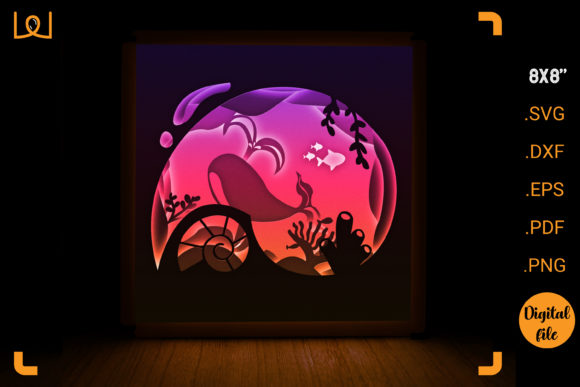
At its core, the Ocean in a Shell concept relies on the principle of parallax and layering. The design depicts a serene underwater scene featuring a majestic whale, vibrant corals, swaying anemones, and schools of colorful fish. These elements are not printed flat on a single sheet but are separated into distinct layers. When stacked with spacers—typically foam board—and illuminated from behind, these layers create a sense of depth that mimics the three-dimensional space of the ocean itself.
The "shell" aspect refers to the framing or containment of this scene, often suggesting that the entire oceanic world is captured within a delicate, circular or oval boundary. This framing technique focuses the viewer’s attention, creating a vignette effect that feels intimate and curated. The inclusion of a whale as the central figure adds a sense of scale and majesty, while the smaller details like anemones and fishes provide texture and movement. This composition balances negative space with intricate detail, making it visually striking without being overwhelming.
Technical Specifications and File Formats
For those ready to undertake this project, the accessibility of the source files is a significant advantage. The download package for the Ocean in a Shell 3D Papercut Lighbox is comprehensive, catering to various levels of technical proficiency and equipment availability. It includes multiple file formats to ensure compatibility:
- SVG Vector File: Ideal for users with cutting machines like Cricut or Silhouette. SVGs allow for infinite scaling without loss of quality, ensuring crisp cuts regardless of the size of your final project.
- DXF Vector File: Compatible with a wide range of CAD and vector software, making it accessible for users who prefer different cutting environments.
- EPS Vector File: A standard format for graphic design professionals, allowing for easy integration into larger design projects or high-end printing workflows.
- PDF High Print Quality: For those without cutting machines, the PDF version is optimized for home or office printers. Users can manually cut the shapes using a precision knife, which adds a personal, artisanal touch to the final piece.
- PNG 300 dpi (2100x2100px): This raster image provides a high-resolution reference for planning and layout, measuring approximately 7x7 inches at print resolution.
The design consists of six distinct layers. This number is carefully chosen to provide sufficient depth without making the assembly process overly complex. Each layer represents a different plane of focus, from the background sky/water surface to the foreground coral and marine life. The inclusion of a detailed PDF instruction manual ensures that even beginners can navigate the assembly process with confidence.
Practical Applications and Use Cases
The versatility of the Ocean in a Shell 3D Papercut Lighbox allows it to serve multiple purposes across different environments. Its aesthetic appeal makes it a strong candidate for interior decoration, particularly in spaces that aim to evoke calmness and wonder.
Home Decor and Personalization
In a residential setting, this lighbox serves as a captivating focal point. Placed on a shelf, desk, or nightstand, the soft glow of the LEDs creates a soothing ambiance. The nautical theme is universally appealing, making it suitable for nurseries, bathrooms, or living rooms. For parents, creating this with their children offers a dual benefit: a finished decorative item and a shared creative experience that teaches patience and fine motor skills.
Educational Tools
Educators can utilize this project in biology or environmental science classes. While the artistic goal is aesthetic, the subject matter provides a springboard for discussions about marine ecosystems, biodiversity, and conservation. Teachers can use the layered components to explain how different species interact within a reef environment. The tactile nature of the paper layers helps students visualize spatial relationships in a way that flat diagrams cannot.
Commercial and Branding Opportunities
Businesses in the hospitality, retail, or wellness sectors may find value in customizing this design. A boutique hotel lobby, a spa reception area, or a children’s bookstore could use variations of this lighbox to reinforce their brand identity. By altering the color palette of the LED strips or choosing specific paper textures, businesses can align the artwork with their overall interior design scheme. Furthermore, freelancers and small business owners can offer this as a premium add-on service, combining digital design expertise with physical product creation.
Implementation Considerations
While the digital files make the design accessible, the success of the final product depends on material selection and assembly technique. Here are some practical tips for achieving the best results.
Material Selection
The choice of paper affects both the durability and the light diffusion of the lighbox. Standard printer paper works for prototypes, but cardstock or specialized papercraft paper yields better structural integrity and richer colors. For the spacers, EVA foam sheets are highly recommended due to their ease of cutting and consistent thickness. Ensure that the foam is thin enough to keep the layers close together, preventing excessive blurring of the shadows between layers.
Lighting Setup
The LED strip is crucial for bringing the design to life. Flexible addressable LED strips allow for uniform illumination across the entire 6-layer stack. Positioning the LEDs along the back edge of the frame, rather than directly behind the center, can help reduce hotspots and create a more even glow. Using a diffuser panel made of tracing paper or frosted acrylic over the LEDs will soften the light, enhancing the ethereal quality of the underwater scene.
Assembly Precision
Careful alignment is key. If using a cutting machine, verify the calibration before starting. For hand-cutting, sharp blades and a steady hand are essential to prevent jagged edges that disrupt the smooth flow of the design. Assembling the layers requires patience; test the fit of each spacer before adhering them permanently. The included PDF instructions should be followed closely, particularly regarding the orientation of the layers, to ensure the whale and other elements appear in the correct perspective.
Why This Project Stands Out
In a market saturated with mass-produced decor, the Ocean in a Shell 3D Papercut Lighbox offers something increasingly rare: authenticity and engagement. It invites the creator to slow down and engage with the details of the design. The process of cutting, layering, and assembling fosters a deeper connection to the final object than simply purchasing a pre-made lamp would.
Moreover, the digital nature of the template means that errors can be corrected easily. If a layer is cut incorrectly, one can simply reprint that specific page from the PDF. This flexibility reduces the stress often associated with traditional crafts where materials are finite. The ability to share the digital files also supports a community of makers who can exchange tips, variations, and inspiration.
Conclusion
The Ocean in a Shell 3D Papercut Lighbox is more than just a craft project; it is a testament to the power of blending digital technology with traditional art forms. It captures the awe-inspiring beauty of our oceans in a format that is both manageable and deeply rewarding. With its comprehensive file support, clear instructions, and stunning visual potential, it stands out as an excellent choice for anyone looking to add a touch of natural wonder to their space. Whether for personal enjoyment, educational purposes, or commercial application, this design delivers on its promise of transforming simple paper into a glowing masterpiece.