California 3D Layered Tropical CNC Project
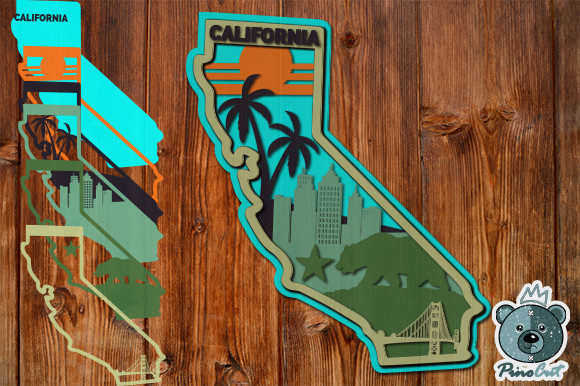
The California, 3D Layered Tropical design is more than just a decorative pattern; it is a streamlined solution for modern fabrication. This project utilizes the geometric precision of CNC routing and laser cutting to create depth and visual interest through layered plywood. The core concept relies on vector drawings provided in electronic formats, allowing users to download, modify, and cut their own versions with minimal friction. By separating the design into distinct layers, the final product achieves a three-dimensional effect that mimics the organic complexity of tropical foliage or architectural details, all while maintaining the clean lines associated with California modernism.
What makes this specific project particularly compelling is its accessibility. The files are archived and ready for immediate use. You do not need to be a master draftsman to begin. The process involves downloading the file, adjusting the layout within your preferred vector software, and sending the plan to your cutter. Whether you are using a high-end industrial CNC machine or a desktop laser cutter, the vector cutting plan is optimized for efficiency. After the cutting phase, the assembly is straightforward, resulting in a sturdy, visually striking piece that can be painted or left natural.
Why Different Audiences Care About Layered Plywood Art
The appeal of the California, 3D Layered Tropical design spans multiple disciplines because it sits at the intersection of art, commerce, and education. For a hobbyist, it represents a manageable weekend project that yields professional-looking results. For a small business owner, it offers a scalable product line with low material costs. For educators, it serves as an excellent case study in digital fabrication, geometry, and assembly techniques. Understanding how these different groups interact with the project helps clarify why such a versatile tool is valuable across various sectors.
For Beginners and Hobbyists
Entry into CNC and laser cutting can often feel intimidating due to the steep learning curve associated with CAD (Computer-Aided Design) software. However, projects like California, 3D Layered Tropical lower this barrier significantly. Because the vector drawing is pre-made, beginners can focus on the physical aspects of cutting and assembling rather than struggling with complex geometry. The recommended material—3mm plywood—is thin enough to cut quickly on most lasers but thick enough to hold structural integrity during assembly. This allows newcomers to experience the satisfaction of creating a tangible, multi-layered object without the risk of wasting expensive materials on failed designs.
- Ease of Use: Pre-vectorized files mean less time designing and more time making.
- Creativity: The ability to paint or decorate after cutting encourages personal expression.
- Safety: Working with thin plywood reduces dust generation and material waste compared to solid hardwoods.
For Creators and Professional Designers
Professionals value flexibility and modification capabilities. While the base design is complete, the electronic format allows for easy scaling, rotation, or integration into larger installations. A graphic designer might use the tropical leaf patterns as elements in a broader brand identity campaign, printing them on acrylic or combining them with other media. An interior architect could scale the layers up to create room dividers or wall cladding. The key advantage here is the "editability" of the source file. If a client requests a specific color palette or a slight variation in leaf density, the designer can adjust the vector paths instantly before sending the job to production.
For Entrepreneurs and Small Business Owners
From a commercial perspective, the California, 3D Layered Tropical project is economically attractive. The recommendation to use 3mm plywood keeps material costs low, while the simple assembly process reduces labor time. This combination creates a healthy profit margin, especially if produced in batches. The design’s aesthetic aligns well with current trends in home decor, which favor natural materials and organic shapes. Businesses can market these items as hand-assembled, eco-friendly decor pieces. Furthermore, because the files are digital, there is no inventory risk for the design itself—you only produce what you sell.
Practical Commercial Applications
- Home Decor Retail: Selling finished units as wall art or shelf accents.
- Corporate Gifting: Customizing the design with company logos for branded merchandise.
- Event Styling: Using large-scale versions as photo backdrops or table centerpieces.
Technical Considerations and Material Choices
While the project is designed for ease, understanding the technical nuances ensures the best outcome. The primary recommendation is 3mm plywood. This thickness strikes a balance between detail retention and structural rigidity. Thinner materials may warp or break during handling, while thicker materials require more powerful machines and increase cost. When preparing the vector cutting plan, ensure that your software correctly interprets the layer offsets. In many cases, the layers are slightly offset from one another to create the 3D shadow effect. Proper spacing in the digital file translates directly to the physical depth of the final piece.
Another critical factor is the finish. Although the raw plywood has a warm, natural appeal, painting the layers before assembly can prevent bleed-through between seams. Alternatively, applying a clear sealant after assembly protects the wood from humidity and wear. The choice of decoration depends on the intended environment. Indoor pieces can remain untreated for a minimalist look, while outdoor applications would require marine-grade plywood and waterproof finishes. The versatility of the design allows it to adapt to these varying environmental demands.
Evaluating Suitability for Your Goals
Not every project fits every goal. If you are looking for a quick, single-use craft activity, this might be over-engineered. However, if you seek a repeatable process that combines digital precision with tactile craftsmanship, it is an ideal fit. Consider your available equipment: does your laser cutter have sufficient power to cleanly cut through 3mm plywood? Does your CNC router have the right bit size for detailed edges? Matching the tool to the material specification in the vector drawing is crucial for avoiding burn marks or jagged edges.
For educators, this project offers a rich curriculum opportunity. Students can learn about vector graphics, file management, machine operation, and manual assembly. It teaches problem-solving when layers do not align perfectly and encourages iterative design improvements. The economic aspect also introduces students to basic manufacturing economics, showing how digital files translate into physical products with measurable costs.
Assembly and Final Touches
The assembly process is where the California, 3D Layered Tropical design truly comes alive. Once all layers are cut, they are typically stacked and glued together, often using spacers to maintain consistent depth between layers. This step requires patience and precision. A strong adhesive that dries clear is recommended to maintain the visual integrity of the design. After the glue sets, any rough edges can be sanded smooth. At this stage, the creative freedom expands. Users can apply stains to highlight the wood grain, use spray paints for vibrant tropical colors, or add metallic accents for a luxury feel.
The final product is lightweight yet durable. Its modular nature means that if one layer is damaged, it can sometimes be replaced without discarding the entire piece. This longevity adds to the value proposition, distinguishing it from mass-produced plastic alternatives. The design’s connection to nature—the tropical theme—resonates emotionally with viewers, making it a popular choice for spaces aiming to bring the outdoors in. Whether displayed in a corporate lobby, a cozy living room, or a classroom, the layered structure draws the eye and invites closer inspection.
Conclusion
The California, 3D Layered Tropical CNC project exemplifies the power of accessible digital fabrication. By providing ready-to-use vector files and clear material guidelines, it empowers a wide range of users—from beginners to professionals—to create high-quality, three-dimensional artwork. Its economic efficiency, ease of assembly, and aesthetic versatility make it a valuable asset for hobbyists, educators, and businesses alike. As the demand for personalized, sustainably made decor continues to grow, projects like this offer a practical pathway to meeting those needs with creativity and precision.