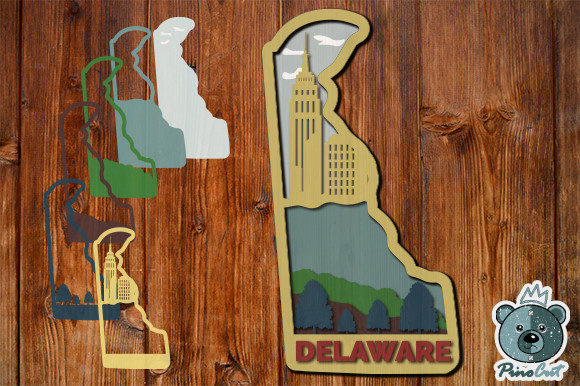
Delaware, 3D Layered Tropical: A Comprehensive Guide to Your CNC and Laser Cutting Project
In the evolving landscape of digital fabrication, the barrier between conceptual design and physical reality has never been lower. For hobbyists, professional designers, and business owners alike, the ability to transform a simple vector file into a tangible, three-dimensional object is a powerful tool. One such project that exemplifies this ease of creation and aesthetic appeal is the Delaware, 3D Layered Tropical. This project offers a unique blend of organic beauty and geometric precision, making it an ideal candidate for those looking to explore the capabilities of Computer Numerical Control (CNC) routers or laser cutters.
This article serves as a practical guide to understanding, assembling, and customizing the Delaware, 3D Layered Tropical project. We will explore its features, the materials best suited for its construction, and why it stands out as an economical choice for both personal decoration and mass production.
Understanding the Delaware, 3D Layered Tropical Design
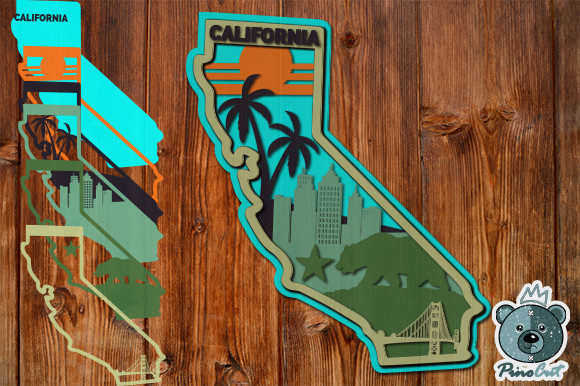
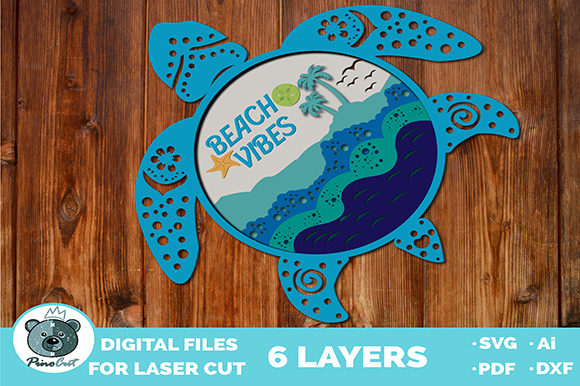
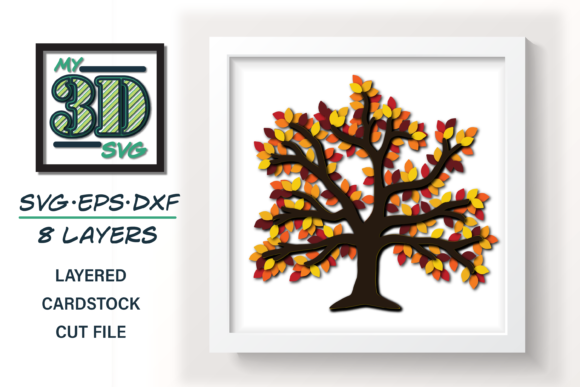
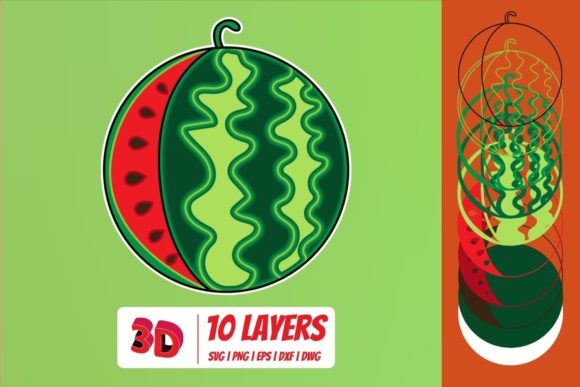
The core concept behind layered tropical designs is deconstruction. By taking a complex image—such as a palm tree, a parrot, or a lush jungle scene—and slicing it into distinct horizontal layers, designers can create depth without using traditional sculpting techniques. The Delaware, 3D Layered Tropical project utilizes this principle to produce a striking visual effect where each layer adds dimension and shadow, resulting in a piece that appears to have significant volume despite being made from flat sheets of material.
What makes this specific project particularly accessible is its preparation. Unlike many DIY projects that require you to start from scratch or hire a designer to create custom vectors, this package comes fully prepared. You receive a complete set of files ready for immediate use. This eliminates the steep learning curve associated with vector software like Adobe Illustrator or Inkscape, allowing users to focus on the assembly and finishing aspects of the craft.
Key Features and Characteristics
- Vector-Based Precision: All components are provided in electronic vector formats. This ensures that every cut is mathematically precise, allowing layers to fit together seamlessly without gaps or misalignments.
- Compatibility: The files are optimized for both laser cutting and CNC routing. This versatility means you are not locked into a single type of machinery, giving you the freedom to choose the equipment that best suits your workshop.
- Modular Assembly: The design relies on interlocking layers or simple stacking techniques. There are no complex joinery requirements, which significantly reduces assembly time and frustration.
- Economical Material Usage: The layout of the vector drawing is designed to minimize waste. Whether you are cutting plywood or wood, the efficient nesting of parts helps keep material costs low.
Material Selection: Why Plywood is Recommended
When bringing the Delaware, 3D Layered Tropical to life, the choice of material plays a crucial role in the final appearance and durability of the piece. While the project can be executed using various types of wood, we strongly recommend using 3mm plywood for several compelling reasons.
Plywood is composed of thin layers of wood veneer glued together, which provides excellent stability and resistance to warping compared to solid wood. At a thickness of 3mm, the material is thin enough to allow for intricate cuts with minimal kerf (the width of the cut), yet thick enough to maintain structural integrity when stacked. This specific thickness strikes a perfect balance between detail and strength.
Advantages of Using 3mm Plywood:
- Aesthetic Warmth: The natural grain of plywood adds a rustic, organic feel that complements the tropical theme of the design beautifully.
- Cost-Effectiveness: Plywood is generally more affordable than high-grade hardwoods, making it an excellent choice for beginners or for large-scale production runs.
- Ease of Cutting: Both lasers and CNC machines handle 3mm plywood with ease. It burns cleanly with lasers and cuts smoothly with CNC bits, reducing the risk of charring or tearing.
- Paintability: If you prefer a modern or colorful look over the natural wood finish, plywood accepts paint and stain very well, allowing for endless customization options.
From Digital File to Physical Object: The Process
One of the most appealing aspects of this project is the streamlined workflow. The provider has ensured that all necessary files are archived and ready for download. Here is a step-by-step breakdown of how to move from purchase to finished product.
Step 1: Download and Modify
Once you download the archive, you will find the vector drawings in standard electronic formats. Before sending these to your machine, take a moment to review the design layout. The flexibility of vector software allows you to modify the design to suit your specific requirements. You might want to scale the image to fit a particular wall space, adjust the spacing between layers for a different depth effect, or even combine elements from different tropical motifs.
Step 2: Preparation for Cutting
Whether you are using a laser cutter or a CNC router, ensure your machine is calibrated correctly. For laser cutting, check the focus and power settings to avoid excessive burning on the edges of the plywood. For CNC routing, select a bit size that matches the precision required by your vector paths. Secure your 3mm plywood sheets firmly to the bed to prevent movement during the cutting process.
Step 3: Cutting and Cleaning
Execute the cut plan. After the machine finishes, carefully remove the pieces. You may need to clean up any small burrs or charred edges. For laser-cut pieces, a gentle sanding or wiping with a damp cloth can reveal the crisp, clean lines of the vector cuts.
Step 4: Assembly and Decoration
This is where the creative process truly begins. Arrange the layers according to the intended depth order. Depending on the specific design instructions included in the file, you may use adhesive, pins, or a friction-fit system to hold the layers together. Once assembled, you have the option to leave the wood natural or paint it in any color scheme you desire. Decorative elements, such as metallic accents or backlighting, can also be added to enhance the tropical vibe.
Who Benefits from This Project?
The versatility of the Delaware, 3D Layered Tropical makes it suitable for a wide range of audiences.
General Consumers and Hobbyists: If you are new to CNC or laser cutting, this project offers a forgiving entry point. The clear instructions and pre-made files reduce the likelihood of errors, providing a satisfying first project that results in a professional-looking piece.
Interior Designers and Home Decorators: For those looking to add unique, custom decor to living spaces, this project offers a high-end look at a fraction of the cost of bespoke furniture. The tropical theme fits well in modern, bohemian, or coastal interior styles.
Business Owners and Mass Producers: Due to its economical nature and ease of assembly, this design is highly scalable. Businesses producing promotional items, event decorations, or retail merchandise can benefit from the quick turnaround time. The ability to customize colors and layouts allows for branding opportunities, making it a valuable asset for marketing campaigns.
Considerations and Practical Expectations
While the project is designed for simplicity, there are a few considerations to keep in mind to ensure the best results.
Layer Alignment: Even with precise cutting, slight variations in material thickness can occur. It is advisable to test the fit of a few layers before gluing the entire structure. Adjustments can be made easily at this stage.
Lighting Effects: Layered designs often rely on shadows to create depth. Consider how the piece will be lit in its final location. Backlighting can transform the Delaware, 3D Layered Tropical into a glowing artwork, while direct overhead lighting may highlight the texture of the wood.
Durability: While 3mm plywood is sturdy, it is not indestructible. Avoid placing the finished piece in areas with high humidity or direct water exposure, as this can cause the wood to warp over time. For outdoor use, consider sealing the wood with a weather-resistant varnish.
Conclusion
The Delaware, 3D Layered Tropical project represents the perfect intersection of technology and artistry. By providing all necessary files in an editable, electronic format, it empowers users to create stunning 3D effects without needing advanced design skills. Its compatibility with both laser and CNC machines, combined with the recommendation for affordable 3mm plywood, makes it an accessible and economical choice for anyone interested in digital fabrication.
Whether you are looking to decorate your home, create a unique gift, or streamline your manufacturing process, this project offers a reliable and rewarding experience. With just a download, a cut, and some creativity, you can bring the vibrant energy of the tropics into your workspace. Embrace the ease of assembly and the potential for customization, and discover the joy of turning digital vectors into physical masterpieces.